



How can I reduce allergens and improve the air quality in my home?

How to Reduce Allergens in Your Home and Improve Indoor Air Quality
If sneezing, congestion, or itchy eyes are a regular part of life at home, indoor allergens may be the culprit. Indianapolis homeowners face a unique challenge — the city sits in one of the highest pollen-count regions in the Midwest, and seasonal allergens don't stay outside. Dust, pet dander, mold spores, and mites find their way indoors year-round, recirculating through your air and triggering allergy symptoms that won't quit. Knowing how to reduce allergens in your home is the first step toward breathing easier and improving indoor air quality in your own space.
What Causes Indoor Allergens?
Indoor allergens come from many sources that Indianapolis families deal with daily. Common culprits include:
- Pet dander from cats, dogs, and other animals
- Dust mites that thrive in bedding, carpets, and upholstered furniture
- Mold spores from damp areas like basements and bathrooms
- Pollen tracked in from outside — especially brutal during Indiana's spring and fall seasons
These small-particle irritants settle into surfaces and get stirred back into the air every time someone walks through the room, runs the furnace, or simply opens a window. For Indianapolis residents already managing allergies or asthma, even low concentrations can trigger uncomfortable symptoms.
Clean Your Home Frequently to Remove Allergens
One of the simplest and most effective ways to reduce allergens in your home is to clean your home frequently and thoroughly. Here's where to focus:
Vacuum Once a Week — Minimum Use a vacuum cleaner equipped with a HEPA filter to trap small-particle allergens rather than recirculating them. Vacuum carpets, rugs, and upholstered furniture at least once a week, and more often in rooms where pets spend time. High-traffic areas near entryways and living rooms deserve extra attention, especially during Indiana's heavy pollen seasons.
Wash All Bedding Weekly Dust mites are microscopic, but their impact on allergy symptoms is anything but small. They thrive in mattresses, pillows, and bedding. Wash bedding — including sheets, pillowcases, and blankets — in hot water weekly to eliminate mites and reduce irritants at the source.
Consider Whether to Remove Carpeting If allergy symptoms are severe, it may be worth considering whether to remove carpeting in key areas like bedrooms. Hard flooring is far easier to clean and doesn't trap allergens the way carpet fibers do. Area rugs can be washed regularly and are a more allergy-friendly alternative to wall-to-wall carpet.
Clean Fabrics and Surfaces Regularly Curtains, throw pillows, couch covers, and other soft furnishings trap allergens just as effectively as carpet. Clean fabrics regularly by washing or vacuuming them, and wipe down hard surfaces with a damp cloth rather than a dry one, which simply redistributes dust into the air.
Clean Mold Before It Spreads Indianapolis basements and bathrooms are prime spots for mold growth, especially during humid summer months. Clean mold promptly with appropriate cleaners and address any moisture issues — leaky pipes, poor ventilation, or standing water — before mold can take hold and release spores into your indoor air.
Control Pet Dander Throughout Your Home
Pet dander is one of the most persistent indoor allergens, and it doesn't stay put. Microscopic dander particles float through the air and cling to furniture, walls, and HVAC filters. To get rid of dander buildup:
- Groom pets regularly and bathe them at least once a week if allergies are a concern
- Wash pet bedding frequently
- Keep pets out of bedrooms and off upholstered furniture
- Vacuum and clean home surfaces where dander accumulates
Even if no one in your household has a pet allergy, dander can act as a carrier for other allergens, compounding the problem.
Replace Air Filters Regularly
Your HVAC system is either your best ally or your worst enemy when it comes to indoor air quality. A dirty or inadequate air filter recirculates dust, pet dander, mold spores, and other allergens throughout every room in your home.
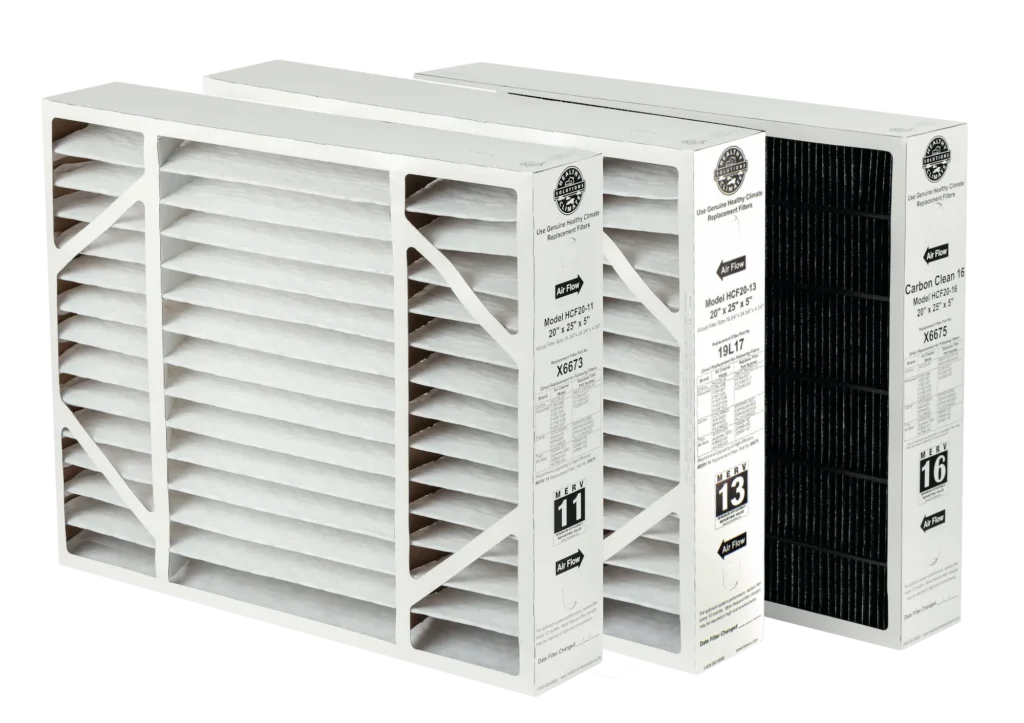
Check your air filter monthly and replace it at least every 90 days — more often if you have pets or someone in the home with asthma or allergies. Upgrading to a higher-MERV-rated air filter can dramatically improve how well your system captures small-particle allergens before they're pushed back into your living spaces.
Chapman Heating, Air Conditioning, Plumbing & Electrical's comfort specialists can help Indianapolis homeowners choose the right air filter rating for their system and allergy needs.
Install an Air Purifier for Whole-Home Allergen Control
Beyond regular air filters, installing an air purifier adds a dedicated layer of protection. A high-efficiency air cleaner can remove up to 99% of the pollen, mold spores, and other allergens circulating through your home's air. These systems also reduce household dust, smoke, and airborne pollutants that standard filters miss.
For Indianapolis families, a whole-home air purifier integrated into your existing HVAC system is a smarter investment than portable room units — it treats every cubic foot of air in the house, not just one room. The result is cleaner, fresher indoor air and meaningful relief from allergy and asthma symptoms throughout the entire year.
Manage Humidity to Reduce Mold and Mites
Both dust mites and mold thrive in high-humidity environments. Keeping indoor humidity between 35% and 50% creates conditions that are hostile to these common allergens — and more comfortable for your family.
Installing a whole-house humidifier gives Indianapolis homeowners precise control over indoor moisture levels. In winter, when forced-air heating strips moisture from the air, a humidifier relieves the irritating discomfort of dry indoor air — reducing itchy skin, scratchy throats, static electricity, and even protecting your wood floors and furniture from damage.
Because humid air feels warmer than dry air, you can keep the thermostat set lower and still feel comfortable, which can also reduce your heating costs during Indiana's cold winter months.
Chapman Heating, Air Conditioning, Plumbing & Electrical Can Help Indianapolis Families Breathe Easier
Reducing allergens in your home doesn't require one dramatic change — it requires several smart, consistent steps. From regular cleaning and air filter upgrades to whole-home purification and humidity control, each improvement compounds the last.
Chapman Heating, Air Conditioning, Plumbing & Electrical has been serving Indianapolis and the surrounding communities for decades. Our indoor air quality experts can assess your home, recommend the right combination of solutions, and handle the installation professionally so you can start breathing easier right away.
Ready to reduce allergens in your Indianapolis home? Contact Chapman today to schedule an indoor air quality consultation.