




HVAC Dampers Guide: What They Are, How They Work, & Types
What is an HVAC Damper?
HVAC dampers are small metal plates or valves installed in your ductwork. They determine which portion of your home or business gets heated or cooled until the desired temperature setting is reached.
Key Takeaways about HVAC Dampers
- HVAC dampers regulate airflow inside ductwork and help direct heated or cooled air to specific areas of a home or business.
- Dampers are commonly used in zoning systems to improve comfort, reduce hot and cold spots, and increase HVAC energy efficiency.
- Manual dampers are adjusted by hand, while automatic dampers work with thermostats and motors to control airflow automatically.
- Several damper types are used in HVAC systems, including butterfly dampers, blade dampers, louver dampers, guillotine dampers, and inlet vane dampers.
- Proper damper placement and ductwork design help improve airflow control, system performance, indoor comfort, and long-term heating and cooling efficiency.
In other words, they control the amount of heated or cooled air to every part of your property. Dampers are an important part of HVAC zoning systems.
Importance in Your Heating and Cooling System
HVAC dampers help regulate airflow and minimize energy consumption. This, of course, results in lower monthly energy bills and a more comfortable living space.
How Are They Controlled?
Dampers are controlled in one of two ways:
- Manual Dampers: Manual HVAC dampers are operated by moving the valves by hand to open or close them. These valves are situated outside of the ductwork, allowing for easy manual control.
- Automatic Dampers: Automatic dampers are controlled by a motor that opens or closes them. These dampers work in tandem with your thermostat, can be operated remotely, and are capable of self-regulating in response to changing weather conditions.
Types of Dampers in HVAC Systems
There’s more than one type of damper out there. Take a look at the types of HVAC dampers we commonly work with.
Butterfly Flat Dish Dampers
Butterfly flat dish dampers consist of a round blade mounted on a central hinge and seal. The blade regulates the airflow, while the seal ensures that the edges of the blade are securely connected to the duct's circumference, preventing any particles from entering the duct.
Blade Dampers
There are two types of blade dampers: parallel and opposed. As the name suggests, parallel blade dampers have blades that are parallel to each other, while opposed blade dampers have blades that move in opposite directions.
Guillotine Dampers
We get that the name is a little morbid. Guillotine dampers are typically meant for industrial applications that need airflow isolation. They can be used to temporarily isolate airflow while a technician does maintenance on your HVAC system.
Louver Dampers
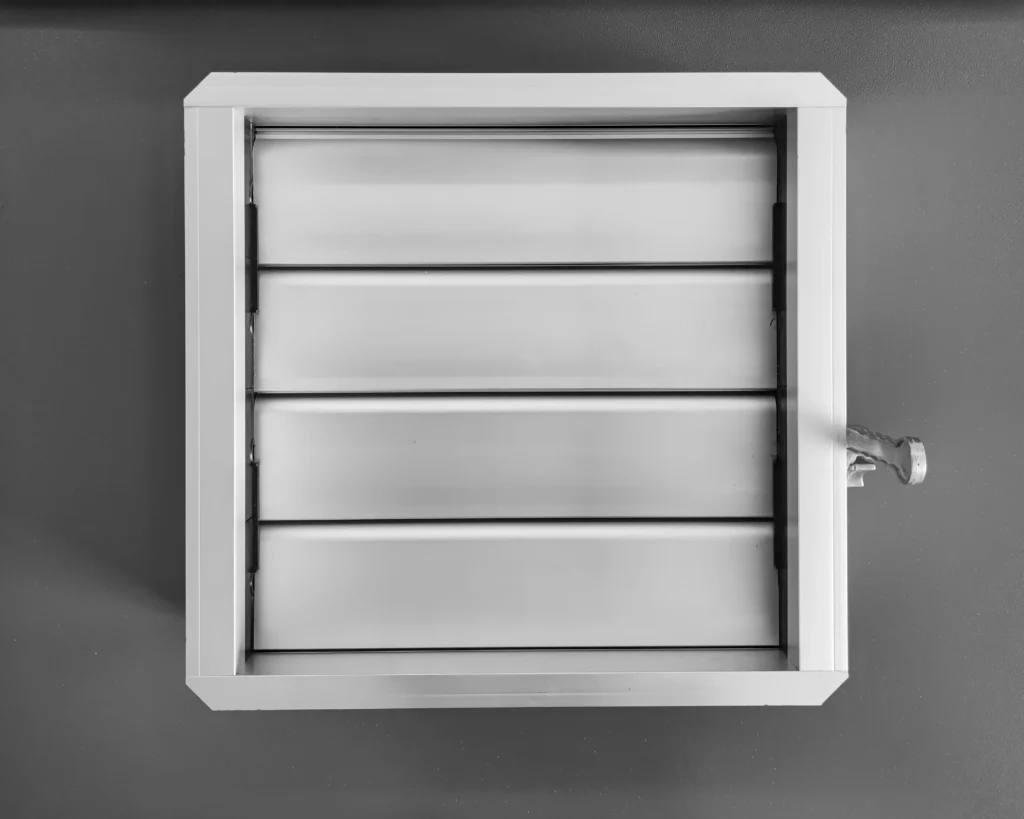
Louver dampers are the most common dampers used in HVAC systems. As the name suggests, they are louvered, can fit any duct size, and are highly durable in blocking airflow.
Inlet Vane Dampers
Inlet vane dampers are dampers used in appliances that require fan shut-off. These types of dampers can result in long-term energy savings.
Where are HVAC Dampers Located?
HVAC dampers can be placed in a few different areas of your ductwork. Common spots for damper placement include:
- Main Supply Ducts: This is the most common location for damper placement. They are placed in the main supply ducts to help control airflow to different areas of your house.
- Branch Ducts: Dampers can be placed in the branches of ducts, which allow for better temperature and airflow control.
- Return Ducts: Return ducts are an excellent location for managing and ensuring even pressure distribution.
Things to Consider When Installing a Damper
The number one thing to consider when installing HVAC dampers is how efficient they’ll be in controlling the airflow to certain parts of your property. Ductwork design plays a significant role in determining this.
Ductwork Design
It’s important to consider the design of your ducts. For example, branch ducts may be the best option for you if your ductwork runs to different areas of your home or business.
Benefits of Using Dampers in Your HVAC System
There are many benefits to using HVAC dampers. Let’s take a look at some of them.
Energy Efficiency and Savings
Regulating the flow of your air can reduce the cost of your monthly energy bills.
Reduced Hot and Cold Spots
Dampers can solve the issue of a hot upstairs and a cold downstairs.
Enhanced System Performance
The more controlled your airflow is, the better — and longer — your HVAC system will perform.
Solve Airflow Issues with Professional HVAC Solutions
There’s no need to be uncomfortable in your own home or business if you choose the right HVAC company.
For more than 40 years, Chapman Heating, Air Conditioning, & Plumbing has been providing HVAC solutions to homes and businesses across the Indianapolis area. If you've been looking to find the right HVAC contractor in the Indianapolis area, Chapman is your answer.
Control your airflow the Chapman way, and contact us for more information about our HVAC damper services.
Get a Free Estimate
Frequently Asked Questions
It depends on your comfort needs and how your system is performing. In general, you should open dampers to increase airflow to rooms that need more heating or cooling and partially close them in areas that feel too warm or too cool.
During warmer months, when your air conditioning system is running frequently, it’s often best to keep dampers more open to support balanced airflow throughout the home—especially with central air conditioning systems. In the winter, you can make small adjustments to direct heat where it’s needed most while your heating system is in use.
If your system struggles to maintain consistent temperatures, it could be a sign of airflow issues, aging equipment, or buildup in your ductwork. In these cases, services like air duct cleaning or even an air conditioning replacement may help improve overall performance and comfort.
An AC damper is a valve that regulates the airflow of your air conditioning system.
It can cost anywhere from $100 to $600 to replace a damper on your HVAC system. The cost will depend on the type of damper you have and the complexity of installation.
For transparent, accurate pricing, it’s always best to consult with a professional. Give us a call to start a conversation about your project with an HVAC pro. Government grants and Chapman's HVAC financing can help to make new HVAC installation affordable.