




What Are Home Ventilation Systems and Why Do They Matter?
Modern homes are built to keep heated and cooled air inside, but that also traps moisture, odors, dust, and other indoor pollutants. Home ventilation systems replace stale indoor air with fresh outdoor air, improving air quality, balancing humidity, and supporting your heating and cooling equipment. Chapman Heating, Air Conditioning, Plumbing & Electrical installs ventilation solutions designed for Indianapolis homes and the changing weather conditions that come with every season.
Why Home Ventilation Matters
A tightly sealed home reduces energy loss, but fresh air has fewer opportunities to enter naturally. Without enough air exchange, indoor pollutants build up while excess moisture remains inside.
Proper ventilation helps:
- Replace stale indoor air with fresh outdoor air
- Reduce indoor humidity
- Remove cooking odors and airborne contaminants
- Support consistent heating and cooling
- Improve overall indoor comfort
Indianapolis experiences humid summers, freezing winters, and frequent seasonal changes. A properly designed ventilation system helps your HVAC equipment manage those changing conditions throughout the year.
The U.S. Environmental Protection Agency (EPA) reports that indoor air can be 2 to 5 times more polluted than outdoor air, making proper home ventilation one of the most effective ways to improve indoor air quality.
Source: U.S. Environmental Protection Agency – Indoor Air Quality (IAQ)
Types of Home Ventilation Systems
Different homes require different ventilation strategies based on their size, construction, and existing HVAC equipment.
Natural ventilation relies on windows and outdoor airflow. Mechanical systems use fans and ductwork to move fresh air throughout the home regardless of outdoor conditions.
Whole-house ventilation systems distribute fresh air through the home, while spot ventilation removes moisture and odors from specific areas such as bathrooms, kitchens, and laundry rooms.
Selecting the right air ventilation system for your home comfort depends on your home's layout, insulation, and indoor air quality concerns.
Which Home Ventilation System Is Right for You?
Every home has different ventilation needs depending on its age, construction, humidity levels, and HVAC equipment. Here's a quick comparison of the most common residential ventilation solutions.
| Ventilation System | Best For | Primary Benefit |
|---|---|---|
| Heat Recovery Ventilator (HRV) | Cold winter climates | Recovers heat from outgoing air to improve heating efficiency. |
| Energy Recovery Ventilator (ERV) | Humid climates like Indianapolis | Transfers both heat and moisture to improve humidity control. |
| Whole-House Ventilation | Tightly sealed modern homes | Provides balanced fresh air throughout the entire home. |
| Spot Ventilation | Bathrooms, kitchens, laundry rooms | Removes moisture, odors, and localized pollutants. |
Chapman Tip: Because Indianapolis experiences both humid summers and cold winters, many homeowners benefit from an Energy Recovery Ventilator (ERV), which helps manage both fresh air and indoor humidity throughout the year.
Heat Recovery Ventilation Systems (HRVs)
A heat recovery ventilation system exchanges stale indoor air with fresh outdoor air while transferring heat between the two air streams.
During winter, outgoing warm air transfers much of its heat to the incoming fresh air before it enters the home. This reduces the workload on your heating system while improving indoor air quality.
HRVs work well in colder climates where heating equipment operates for extended periods during the winter.
Home Energy Recovery Ventilation Systems (ERVs)
Unlike an HRV, home energy recovery ventilation systems transfer both heat and moisture between incoming and outgoing air.
That added moisture control makes ERVs a strong choice for Indianapolis summers, where outdoor humidity remains high for long periods.
By reducing excess indoor moisture while bringing in fresh air, ERVs support healthier indoor conditions without forcing your cooling equipment to remove as much humidity.
Ventilation and Your HVAC System
Ventilation performs best when it works with the rest of your HVAC equipment instead of operating independently.
A properly designed heating and ventilation system balances airflow throughout the home while working alongside furnaces, heat pumps, and central air conditioning systems. Smart thermostats and automation controls also allow ventilation equipment to operate only when fresh air is needed, improving efficiency without sacrificing comfort.
Many home ventilation systems integrate with modern smart home technology. If your home already includes home automation, ventilation controls can be connected for scheduling, airflow adjustments, and indoor air quality monitoring from a single system.
Signs Your Home Needs a Better Air Ventilation System
Poor ventilation usually appears through everyday problems homeowners notice around the house.
Common signs include:
- Stale or lingering odors
- Excess humidity indoors
- Condensation on windows
- Mold or mildew growth
- Uneven temperatures between rooms
- Increased allergy symptoms
- Dust that returns quickly after cleaning
- Higher heating and cooling costs caused by poor air circulation
These symptoms don't always point to the ventilation equipment alone, which is why a complete inspection identifies the source of the problem before recommending upgrades.
Common Indoor Air Problems and How Ventilation Helps
| Problem | Possible Cause | How Better Ventilation Helps |
|---|---|---|
| Condensation on windows | Excess indoor humidity | Removes moist air while introducing fresh outdoor air. |
| Lingering cooking odors | Poor air exchange | Continuously replaces stale indoor air. |
| Musty smells or mildew | High moisture levels | Helps reduce humidity that supports mold growth. |
| Excess dust and allergens | Poor indoor air circulation | Improves fresh air exchange and filtration. |
| Uneven temperatures | Airflow imbalance | Works with your HVAC system to improve airflow throughout the home. |
Benefits of Upgrading Your Home Ventilation System
Adding or upgrading a ventilation system benefits both your indoor air and your HVAC equipment.
Fresh outdoor air improves indoor air quality while balanced airflow keeps temperatures more consistent throughout the house.
Better moisture control also protects insulation, framing, drywall, and ductwork from prolonged exposure to damp conditions.
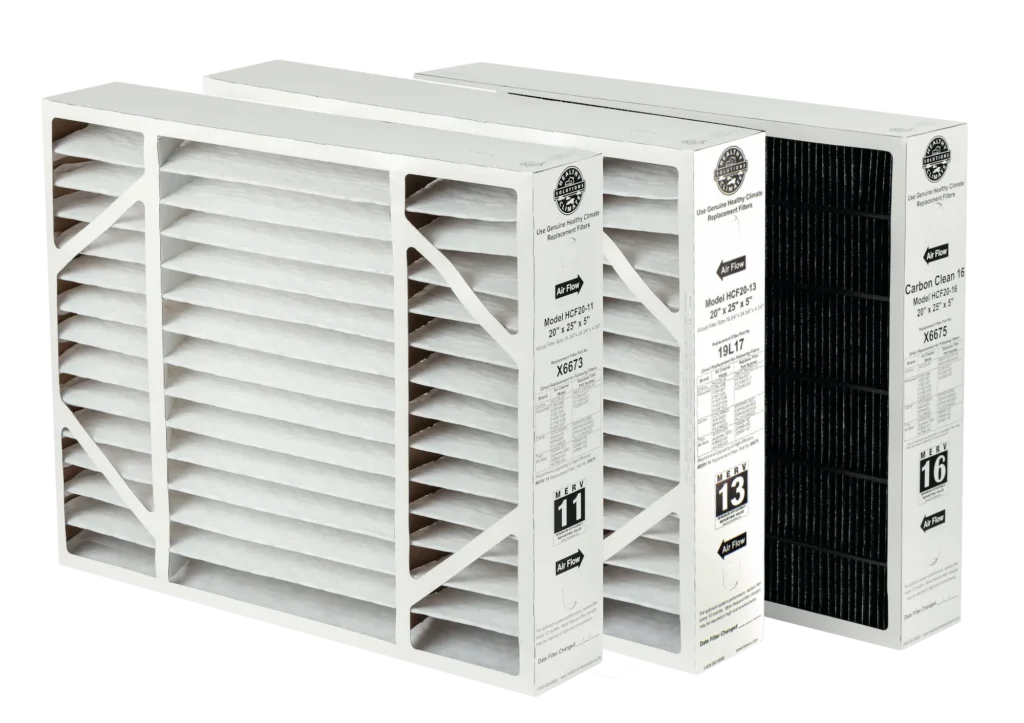
Routine air filter replacement supports these systems by maintaining proper airflow and limiting the buildup of dust and debris inside the equipment.
Homes using ductless mini split systems also benefit from improved whole-house ventilation because mini splits condition the air inside the home but do not introduce fresh outdoor air.
Although ventilation addresses indoor air quality, overall home comfort also depends on water quality. Hard water creates mineral buildup throughout the plumbing system, making water softeners another worthwhile upgrade for many Indianapolis homes.
Professional Installation in Indianapolis
Proper sizing, airflow design, and duct integration determine how well a ventilation system performs after installation.
Chapman Heating, Air Conditioning, Plumbing & Electrical evaluates your home's layout, insulation, existing HVAC equipment, and indoor air quality concerns before recommending a solution. Once installed, routine maintenance keeps the system operating efficiently through Indianapolis' hot summers, cold winters, and changing shoulder seasons.
Schedule online or call (317) 207-9378 today to learn which home ventilation system is right for your Indianapolis home.
Schedule OnlineFrequently Asked Questions
Home ventilation systems improve indoor air quality by removing stale indoor air and bringing in filtered fresh air from outside. This process reduces dust, allergens, and excess moisture in your home. In Indianapolis, Chapman Heating, Air Conditioning, Plumbing & Electrical installs HVAC systems that balance air flow with your heating equipment to keep your house comfortable year-round while protecting air quality.
A heat recovery ventilation system transfers heat between outgoing and incoming air, making it ideal for colder Indianapolis winters when heating efficiency matters. Home energy recovery ventilation systems also manage moisture, helping control humidity in your home during summer. Chapman Heating, Air Conditioning, Plumbing & Electrical can help you choose the right HVAC solution based on your house, duct layout, and overall air quality needs.
Yes, most home ventilation systems are designed to integrate with existing HVAC and heating systems. They connect through your duct system to distribute fresh air evenly throughout your home. In Indianapolis, Chapman Heating, Air Conditioning, Plumbing & Electrical ensures your ventilation and heating equipment work together efficiently to improve indoor air quality without overloading your current systems.
Common signs include stale air, high humidity, condensation on windows, and uneven heating throughout your house. You may also notice worsening indoor air quality or increased dust. Chapman Heating, Air Conditioning, Plumbing & Electrical can inspect your HVAC and duct systems in your Indianapolis home to determine whether a new air ventilation system for home comfort is needed.
Home ventilation systems should be inspected at least once a year to ensure proper air flow, clean filters, and efficient heating integration. Regular maintenance protects indoor air quality and extends the life of your HVAC systems. Chapman Heating, Air Conditioning, Plumbing & Electrical provides professional service in Indianapolis to keep your home’s ventilation and air systems operating at peak performance.