



How Often Should I Change My Air Filter? A Homeowner's Guide for Better Air & Efficiency
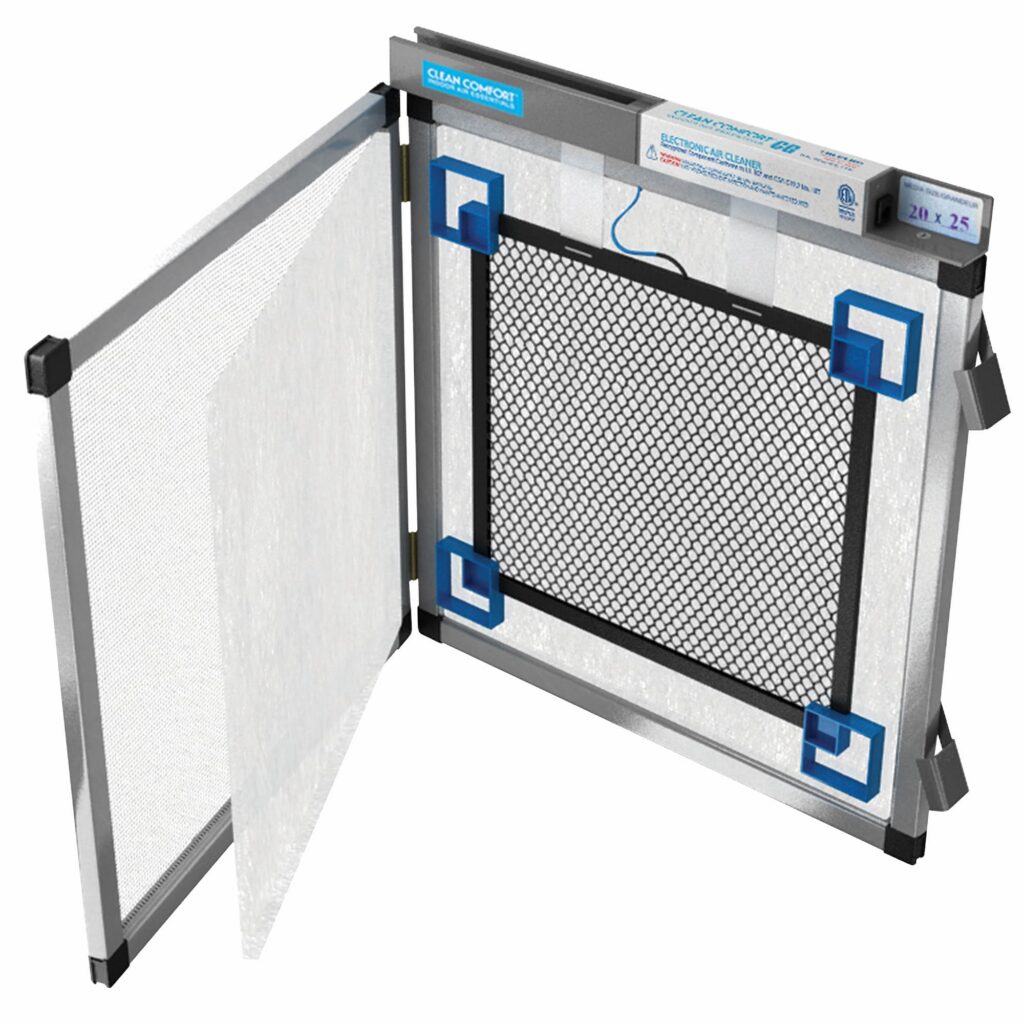
At the risk of telling you something you're tired of hearing, replace the air filter in your furnace on a regular basis. Dirty air filters reduce the amount of air flowing through a system and make the furnace work harder to maintain the temperature. How often you change the filter depends on the type of filter you use, if you have pets, and the size of your equipment. Please give us a call and we can give you proper guidance.
Keeping your home comfortable and your energy bills manageable starts with one surprisingly simple habit — changing your air filter on schedule. Yet it's one of the most overlooked parts of home maintenance. If you've ever wondered how often should I change my air filter, you're in the right place.
How Often Should You Change Your Home Air Filter?
Quick answer: every 1–3 months for most homes.
That range exists because no two homes are exactly alike. A single-occupant home without pets may get away with changing filters every 90 days, while a busy household with dogs, cats, and allergy sufferers may need a fresh filter every 30 days.
Your HVAC system depends on clean air filters to do its job. When airflow is unobstructed, your system runs efficiently, your home reaches the set temperature faster, and the air you breathe stays cleaner. Skipping regular filter changes puts all of that at risk and costs you more in the long run. When an air filter is clogged or dirty, your HVAC system will struggle to pull in air, you'll use more energy to reach the set temperature, and your indoor air quality is greatly reduced.
What Happens If You Don't Change Your Air Filter Regularly
Neglecting filter maintenance isn't just an oversight; it's an invitation for problems that compound over time.
Reduced airflow and uneven temperatures. A clogged air filter chokes off the airflow your HVAC system needs. Rooms that were once comfortable may feel stuffy or inconsistently heated and cooled, and your system has to work harder to compensate. These leads to more air conditioner repairs and maintenance.
Higher energy bills and system strain. When your HVAC system is forced to pull air through a dirty, blocked filter, it runs longer and draws more power. That extra effort shows up directly on your energy bill and accelerates wear on components like the blower motor — potentially leading to costly heating system repairs.
Increased allergens and poor home air quality. HVAC filters are your home's first line of defense against dust, pollen, pet dander, and other airborne particles. A saturated filter stops capturing these contaminants, and may even start releasing them back into the air. For anyone with asthma or allergies, this can make symptoms noticeably worse. While installing air purification systems can help, replacing a dirty filter is always the first plan of attack.
How to Tell When Your Air Filter Needs to Be Replaced
Not sure if it's time? Here are three clear signals to watch for:
- Visible dirt, dust, and discoloration. Pull the filter out and perform a visual inspection. If it looks gray, brown, or completely clogged with debris, it's past due for a swap. A new filter should appear light-colored and clean.
- More dust in your home or worsening allergy symptoms. If you're noticing dust settling on surfaces faster than usual, or household members are sneezing more, your filter may no longer be doing its job.
- Your HVAC system is running longer than usual. When it takes noticeably more time to heat or cool your home, a dirty filter is often the culprit. Your system is working overtime to start and maintain airflow through a restricted filter.
Factors That Affect How Often You Should Change Your Air Filter
Pets and Household Size
Pet hair and dander are among the biggest reasons filters clog faster. If you have one or more furry companions at home, plan to change your filter every 30–45 days. Larger households — more people, more activity — also generate more dust and debris, shortening how long a filter stays effective.
Home Air Quality and Allergies
Homes where residents have allergies, asthma, or respiratory sensitivities benefit from more frequent filter changes — often every 20–45 days. Keeping filters fresh is one of the most impactful ways to maintain better home air quality and reduce symptom triggers.
HVAC Usage and Seasonal Demand
Heavy use during summer cooling season and winter heating months puts significantly more wear on your HVAC filters than during mild shoulder seasons. If your system is running nearly around the clock, check your filters more frequently during these peak periods.
Filter Type and Thickness
Not all air filters are created equal. Thicker, higher-quality filters may capture more particles and last a bit longer, but they still need regular monitoring. Filter sizes and construction vary widely, so always check the manufacturer's recommendations alongside these general guidelines.
Recommended Schedule for Changing Your Home Furnace Filter
| Household Type | Recommended Change Interval |
|---|---|
| Vacation home / rarely occupied | Every 6–12 months |
| Single occupant, no pets | Every 90 days |
| Average family home | Every 60 days |
| Home with one pet | Every 30–60 days |
| Multiple pets or allergy sufferers | Every 20–45 days |
Different Types of Air Filters and Their Replacement Timeline
Standard Fiberglass Filters
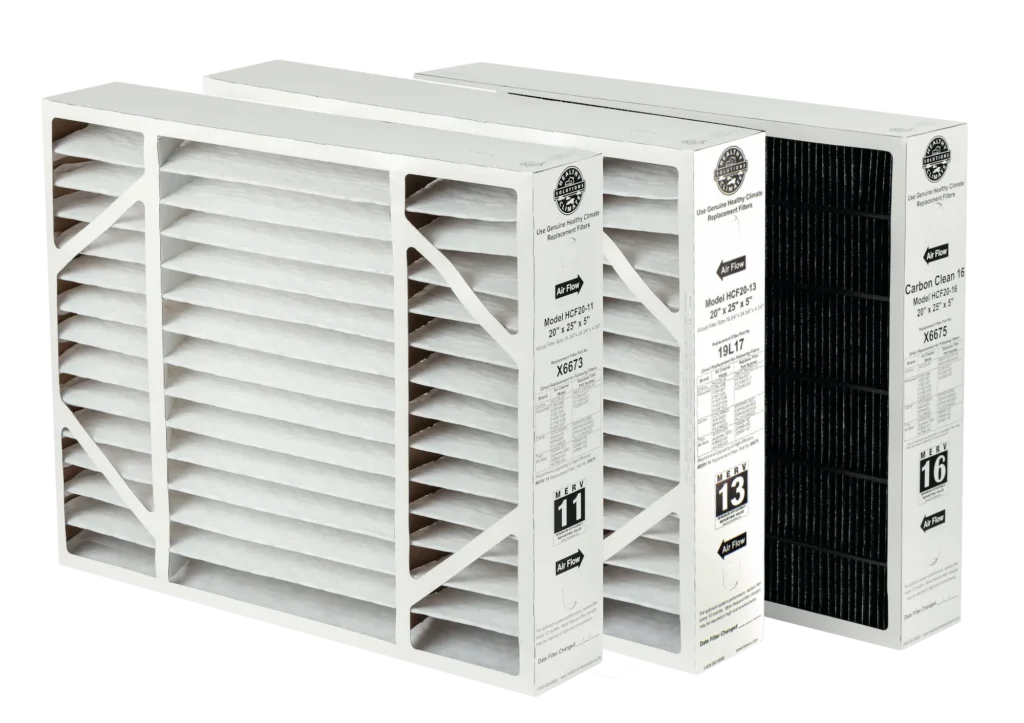
These are the thinnest, most affordable option — typically 1 inch thick. They provide basic protection for your HVAC system but capture fewer fine particles. They generally need to be replaced every 30 days and offer minimal benefit for home air quality or allergy relief.
Pleated Filters
Pleated filters are the most commonly recommended option for residential use. Their accordion-style design creates more surface area to trap dust, pollen, pet dander, and mold spores. Most pleated filters perform well for 60–90 days depending on household conditions. These represent a solid balance of cost, quality, and convenience for most homeowners.
High-Efficiency Filters (HEPA and High-MERV)
High-efficiency HVAC filters are designed to capture very fine particles, making them ideal for homes with severe allergies or air quality concerns. They can last 6–12 months, but their dense construction can restrict airflow if your system isn't designed for them. Before upgrading to a high-MERV or HEPA filter, consult with a professional to confirm compatibility with your system.
When choosing the right air filter, consider your household needs, your system's specifications, and filter sizes that fit correctly. A filter that's the wrong size — even slightly — allows unfiltered air to bypass it entirely.
When to Call Chapman Heating and Air for Help with Your Air Filter
Changing your filter regularly handles the majority of routine maintenance, but some situations call for professional attention.
Persistent airflow issues even after replacing the filter. If rooms are still not heating or cooling properly after a fresh filter is installed, the problem likely goes deeper — possibly a duct issue, blower problem, or refrigerant concern.
Unusual noises or system inefficiency. Rattling, banging, or whistling sounds from your HVAC system are never normal. These can indicate debris in the system, a loose component, or something more serious that a visual inspection alone won't reveal.
It's been more than a year since your last professional service. Even with consistent filter maintenance, your HVAC system benefits from annual HVAC maintenance and inspections. A technician can catch early signs of wear, clean components you can't reach, and verify that your system is running at peak efficiency.
Schedule HVAC or Air Filter Maintenance with Chapman Heating and Air
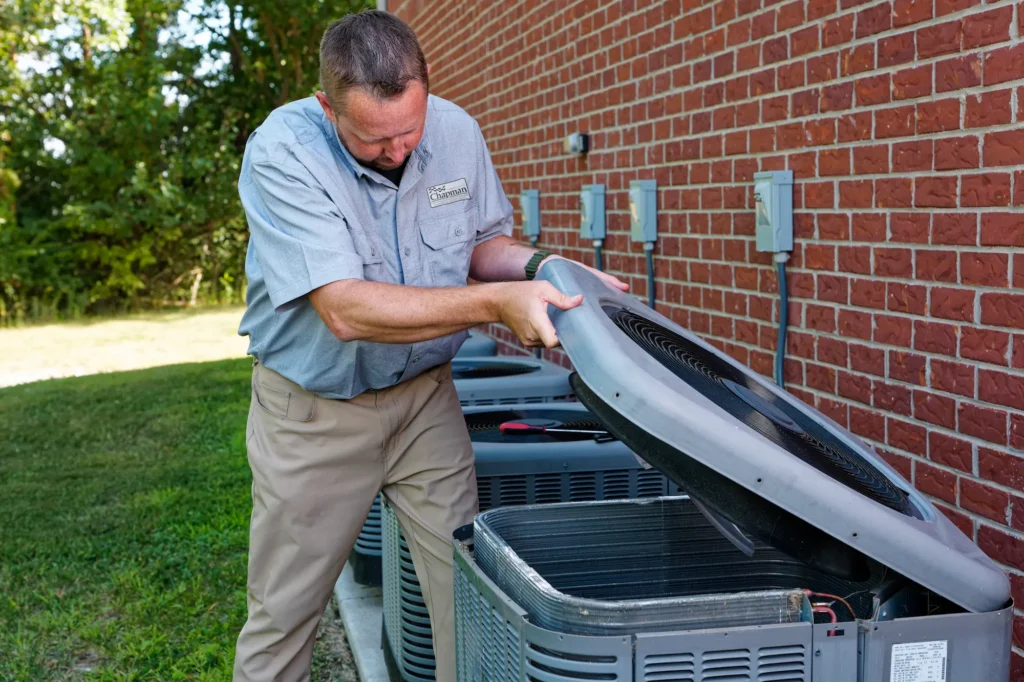
At Chapman Heating and Air, we make it easy to keep your home comfortable and your system running right. Our team provides professional inspections, filter maintenance services, and full HVAC system tune-ups for homeowners throughout the area.
Whether you're dealing with persistent airflow problems, want to improve your home air quality, or simply need a trusted local team to handle seasonal maintenance — we're here to help.
Don't wait for a breakdown to think about your air filter. Proactive care is always more affordable than emergency service.
Schedule your HVAC maintenance with Chapman Heating and Air today and breathe easier knowing your system is in good hands.
Schedule Online (317) 207-9378