



How to prevent frozen pipes
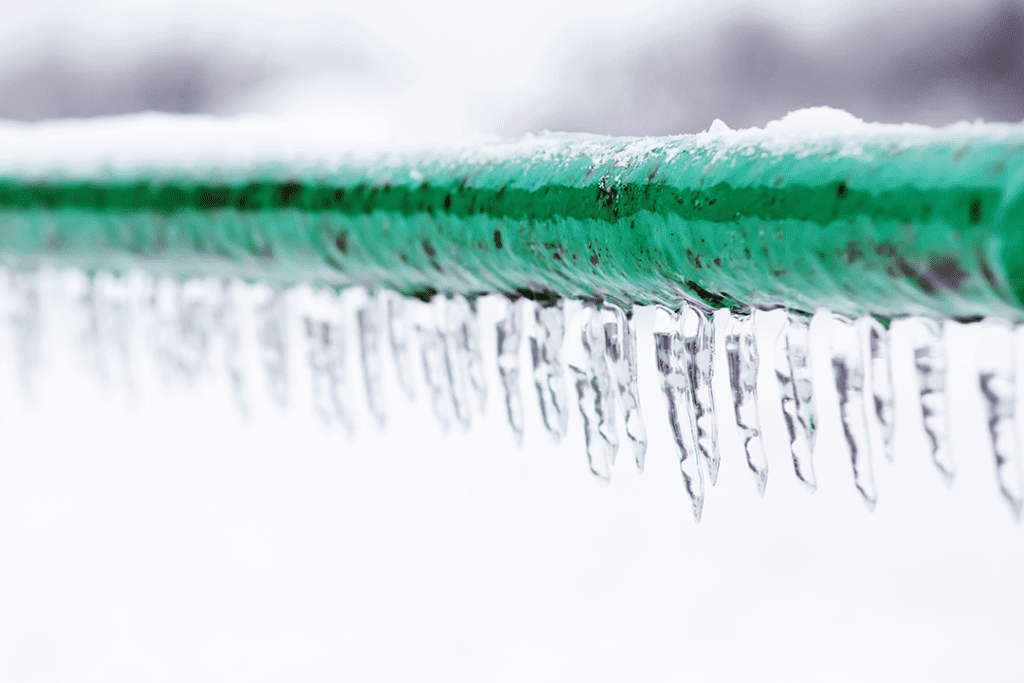
Severe winter weather can be brutal on your home's plumbing system. As temperatures drop across Indianapolis, your pipes become susceptible to freezing, cracking, or bursting. By taking preventative measures and monitoring your pipes throughout the winter, you can prevent frozen pipes and the costly damages that follow.
Table of Contents
- Why Frozen Pipes Are Dangerous for Your Home
- Reduces Pressure in Water Pipes
- Prevents Ice Build-Up
- Protects Against Costly Water Damage
- Which Pipes Are Most at Risk of Freezing?
- How to Prevent Frozen Pipes: Essential Winter Preparedness Steps
- Insulate Water Pipes in Vulnerable Areas
- Winterize Outdoor Faucets and Prevent Frozen Outdoor Pipes
- Maintain Smart Thermostat Settings
- Let Faucets Drip to Prevent Pipes From Freezing
- Open Cabinet Doors to Circulate Warm Air
- Seal Air Leaks and Cracks
- Watch for Signs of Frozen Pipes in Winter
- Warning Signs of Frozen Pipes
- What to Do If You Have Frozen Pipes
- Thawing Frozen Water Pipes Safely
- When to Call a Professional
- Advanced Preparedness: Smart Home Technology
- Smart Leak Detection Systems
- Smart Thermostats for Consistent Heating
- Emergency Preparedness: What to Do If Pipes Burst
- Immediate Actions When Pipes Burst
- Know Where Your Main Valve Is Located
- Long-Term Solutions to Prevent Frozen Pipes
- Reroute Vulnerable Pipes
- Add Insulation to Problem Areas
- Install Frost-Free Outdoor Faucets
- Upgrade to Modern Plumbing Materials
- Professional Winterization Services from Chapman Heating
- Why Choose Chapman Heating
- Take Action Now to Prevent Frozen Pipes
- Contact Chapman Heating for Expert Frozen Pipe Prevention
Water will freeze when it reaches 32 degrees Fahrenheit. In central Indiana, the average temperature for December through February can get as low as 18 degrees Fahrenheit. While one cold night will most likely not cause severe damage, prolonged periods of freezing can lead to a burst pipe and thousands of dollars in water damage.
This comprehensive guide provides essential information for Indianapolis homeowners on preventing frozen water pipes, identifying vulnerable areas, and taking smart action to protect your home.
Why Frozen Pipes Are Dangerous for Your Home
Unlike most liquids, water expands as it freezes. This expansive property puts an enormous amount of strain on both metal and plastic pipes. During winter, when pipes are constantly freezing and melting, they become more prone to cracking or bursting.
Winterizing your outdoor pipes and any exposed pipes on exterior walls should be done each fall in preparation for freezing temperatures. This critical preparedness step serves several important purposes:
Reduces Pressure in Water Pipes
When frozen water expands, it exerts additional pressure on pipes. This pressure can lead to the pipe bursting at weak points. Even if your pipe has not burst in past winters, the continual strain from the frozen water is weakening the system as a whole, leading to long-term damage that can disrupt your entire plumbing infrastructure.
Prevents Ice Build-Up
When ice builds up inside pipes, it slows the flow of water. This not only puts strain on appliances such as your water heater, but it also increases energy costs. Plus, if ice builds up in the taps, it can cause the outer surfaces to attract and condense water vapor. When condensed water vapor starts to leak, it causes the accumulation of molds throughout your home.
Protects Against Costly Water Damage
With the average water leak causing up to $7,000 in damage, it's essential to safeguard against the possibility of frozen pipes. Your homeowners insurance may cover some damage, but prevention is always more cost-effective than dealing with emergency repairs and water restoration.
Which Pipes Are Most at Risk of Freezing?
In your home, it's important to know that some pipes are more vulnerable to freezing outdoor temperatures than others. Understanding which pipes need the most attention helps you focus your preparedness efforts where they matter most.
The pipes in your Indianapolis home most susceptible to freezing include:
- Exposed pipes like outdoor faucets installed on exterior walls
- Water supply lines running within the home's exterior walls
- Pipes in unheated spaces like attics, basements, and crawl spaces
- Outdoor hoses, swimming pool supply lines, and water sprinkler lines
- Pipes near cold air vents or areas with poor insulation
- Water pipes running through uninsulated garages
- Any pipes running close to the water meter location
These areas are at high risk because they're more directly impacted by the cold outdoor temperature and lack the insulation that interior pipes benefit from. Any pipes that are centrally located benefit from your home's heat, whereas outside pipes are too far away to benefit from residual heat from your furnace or heat pump.
How to Prevent Frozen Pipes: Essential Winter Preparedness Steps
1. Insulate Water Pipes in Vulnerable Areas
One of the most effective ways to prevent pipes from freezing is proper insulation. Since frozen pipes are a common problem in Indianapolis and throughout Indiana, pipe insulation products are widely available at most home improvement stores.
You should insulate water pipes in unheated areas like crawl spaces, basements, attics, and garages. Consider installing specific products made for pipe insulation, including:
- Foam pipe insulation sleeves
- Fiberglass pipe wrap
- Heat tape for extra protection
- Thermostat-controlled heat cables for extreme cold
- Insulated pipe covers for outdoor faucets
Insulation helps keep pipes closer to the temperature of the water inside, reducing the risk of freezing during prolonged cold snaps.
2. Winterize Outdoor Faucets and Prevent Frozen Outdoor Pipes
Winterizing outdoor faucets is critical preparedness for Indianapolis winters. It's during November, when temperatures start dropping consistently, that homeowners face one of the biggest risks: a frozen water pipe that could potentially burst.
Here's how to winterize in three simple steps:
Step 1: Locate and Close Your Main Valve
Most outdoor faucets are connected to a shut-off valve in your home, which controls the flow of water to the outdoor faucet. Usually, the shut-off valve is located in the basement, crawl space, or utility room. If your home is on a slab foundation, the shut-off is more likely inside, near the exterior wall with a secondary one near the water meter.
There are two primary types of shut-off valves:
- Gate Valve: Looks like a small wheel. Turn clockwise until it won't go any further to shut off water.
- Ball Valve: Has a handle coming from the top. Turn the handle perpendicular to the supply line to shut off water.
Step 2: Drain the Pipes
After shutting off your main valve to outdoor faucets, go outside and open the outdoor faucet to allow any remaining water to drain out. Leave the faucet open through the winter. This prevents water from being trapped in the pipe where it could freeze and expand.
Step 3: Protect Outdoor Faucets
Cover outdoor faucets with insulated faucet covers, available at hardware stores. These inexpensive covers provide an extra layer of protection against cold air reaching your pipes.
3. Maintain Smart Thermostat Settings
Never turn your heating off completely during winter, especially when the temperature outside drops below freezing. If you turn your heat off, the temperature in your home will drop, making water in your pipes more susceptible to freezing.
Smart preparedness means:
- Keep your thermostat set to at least 55°F even when you're away from home
- Use a smart or programmable thermostat to maintain consistent temperatures
- If you don't have a smart thermostat, ask a trusted neighbor to check your home during extended absences
- Remember that your heating bill will cost far less than fixing damage from frozen pipes
4. Let Faucets Drip to Prevent Pipes From Freezing
During extremely cold weather, allowing faucets to drip can be an effective way to prevent frozen pipes. Running water, even at a trickle, helps prevent pipes from freezing because moving water is much harder to freeze than standing water.
Here's the smart approach:
- You don't need to turn on all faucets. Focus on the farthest faucet from where water enters your home.
- Drip cold water from faucets served by exposed pipes or pipes running through unheated spaces.
- Let both hot and cold water drip from faucets on exterior walls.
- Even a slight trickle helps prevent pipes from freezing during severe cold snaps.
This simple action keeps water moving through pipes running through vulnerable areas, significantly reducing freeze risk.
5. Open Cabinet Doors to Circulate Warm Air
Kitchen and bathroom sinks tend to be against an exterior wall in many Indianapolis homes. These areas are often not well insulated, and cold air from outside can freeze the pipes beneath the sinks.
To help combat the intrusion of cold air:
- Open cabinet doors under sinks to allow warm air circulation around pipes
- This is especially important for cabinets on exterior walls
- Open interior doors throughout your home to promote even heat distribution
- For more severe temperatures, consider placing a space heater pointed toward water pipes (never leave space heaters unattended for safety reasons)
6. Seal Air Leaks and Cracks
Cold air infiltration can dramatically increase the risk of frozen pipes. Inspect your home for air leaks and seal them to prevent pipes from exposure to freezing temperatures:
- Seal cracks in exterior walls where pipes enter your home
- Add insulation around pipes in exterior walls
- Weatherstrip doors and windows near plumbing
- Repair any gaps in your home's foundation
- Install vent covers in crawl spaces but ensure proper ventilation
Watch for Signs of Frozen Pipes in Winter
Even with the best preparedness, frozen pipes can still occur during extreme Indianapolis winters. Knowing how to identify a frozen area quickly can help you take action before pipes burst.
Warning Signs of Frozen Pipes
- No water or only a trickle when you turn on faucets
- Strange odors coming from drains or faucets (blocked by ice)
- Visible frost on exposed pipes
- Bulging or cracked pipes
- Unusually low water pressure throughout your home
- Gurgling sounds from drains or toilets
If you notice any of these signs, you likely have a frozen area in your plumbing that needs immediate attention.
What to Do If You Have Frozen Pipes
If you missed the opportunity to winterize your pipes before temperatures dropped and now find yourself battling frozen pipes, it's important to take action quickly to prevent frozen pipes from damaging the plumbing in your Indianapolis home.
Thawing Frozen Water Pipes Safely
If you've identified a frozen area, follow these steps:
1. Open the Affected Faucet
Open the faucet connected to the frozen pipe, even a pipe that's completely frozen. As you apply heat and the frozen area begins to melt, running water will help accelerate the thawing process. The open faucet also allows steam and water pressure to escape safely.
2. Apply Heat to the Frozen Area
Apply heat to the section of pipe experiencing freezing. Safe methods include:
- Electric heating pad wrapped around the pipe
- Hair dryer (never use near standing water for safety)
- Hot towels wrapped around the frozen area (replace every 5-10 minutes)
- Space heater directed at the frozen pipe (maintain safe distance)
- Heat lamp positioned near the affected area
Important safety information: Never use an open flame, blowtorch, or other fire sources to thaw frozen pipes. The intense heat can cause pipes to burst, damage your home, and create serious fire safety hazards.
3. Work From Faucet to Frozen Area
Always start applying heat at the faucet end and work toward the frozen area. This allows melting water and steam to escape through the open faucet rather than building up pressure behind an ice blockage.
4. Check All Faucets
If one pipe is frozen, others may be frozen too. Check all faucets in your home to determine the extent of the problem. This information helps identify patterns and vulnerable areas.
When to Call a Professional
Some frozen pipe situations require professional help:
- You can't locate the frozen area
- The frozen area is inside a wall or ceiling
- Pipes have already burst
- You're uncomfortable using electric appliances near water
- Multiple areas are frozen throughout your home
- You notice any signs of pipe damage or leaking
Chapman Heating, Air Conditioning, Plumbing & Electrical provides emergency service for frozen and burst pipes throughout Indianapolis and surrounding areas. Our licensed plumbers can quickly assess the situation, safely thaw frozen pipes, and repair any damage.
Advanced Preparedness: Smart Home Technology
Modern technology offers additional ways to prevent frozen pipes and minimize damage if freezing occurs:
Smart Leak Detection Systems
Consider installing specific products made for water monitoring and leak detection. These smart devices:
- Monitor water flow and detect unusual patterns
- Send alerts to your phone if problems are detected
- Can automatically shut off your main valve if a leak occurs
- Provide peace of mind when you're away from home
- May qualify for homeowners insurance discounts
Smart Thermostats for Consistent Heating
Smart thermostats help maintain appropriate temperatures throughout your home and can alert you if indoor temperatures drop to dangerous levels. This preparedness tool is especially valuable for:
- Vacation homes or rental properties
- Homes where elderly family members live alone
- Any property you don't visit daily during winter
Emergency Preparedness: What to Do If Pipes Burst
Despite your best efforts to prevent frozen pipes, bursts can still happen. Having an emergency plan is essential preparedness for every Indianapolis homeowner.
Immediate Actions When Pipes Burst
- Shut off your main valve immediately to stop water flow
- Turn off your water heater to prevent damage from running dry
- Open all faucets to drain remaining water from pipes
- Call Chapman Heating immediately for emergency plumbing service
- Document damage with photos for insurance claims
- Begin removing standing water to prevent further damage
- Move furniture, electronics, and valuables away from the affected area
Know Where Your Main Valve Is Located
Every family member should know where your main valve is located and how to shut it off. Common locations include:
- Near the water meter (inside or outside)
- In the basement or crawl space
- In a utility closet
- In the garage
- Near the water heater
If you don't know where your main valve is, call Chapman Heating. Our plumbers can help you locate it and ensure it's working properly. We can also install a secondary shut-off valve for easier access if needed.
Long-Term Solutions to Prevent Frozen Pipes
For homes that experience repeated freezing issues, consider these permanent solutions:
Reroute Vulnerable Pipes
If certain pipes freeze repeatedly, rerouting them to warmer areas of your home provides a permanent solution. Chapman Heating's expert plumbers can assess your situation and recommend the most cost-effective approach.
Add Insulation to Problem Areas
Improving insulation in attics, crawl spaces, and basements helps maintain warmer temperatures around water pipes. This investment pays dividends in both frozen pipe prevention and energy efficiency.
Install Frost-Free Outdoor Faucets
Frost-free outdoor faucets (also called frost-proof sill cocks) have the shut-off valve located inside your home where it stays warmer. These specialized faucets prevent pipes from freezing even when outdoor temperatures plummet.
Upgrade to Modern Plumbing Materials
Modern PEX piping is more resistant to freeze damage than older copper or galvanized pipes. While PEX can still freeze, it's more likely to survive without bursting due to its flexibility. If you're updating plumbing, ask about PEX options.
Professional Winterization Services from Chapman Heating
Don't leave your home's protection to chance. Chapman Heating, Air Conditioning, Plumbing & Electrical offers comprehensive winterization services for Indianapolis homeowners, providing expert information and hands-on assistance.
Our professional winterization services include:
- Complete home plumbing inspection to identify vulnerable areas
- Expert advice on where to insulate water pipes
- Professional installation of pipe insulation and heat tape
- Outdoor faucet winterization and frost-proof faucet installation
- Leak detection system installation and setup
- Emergency contact information for 24/7 frozen pipe service
- Customer education on preventative maintenance
- Seasonal maintenance reminders to keep you prepared
Why Choose Chapman Heating
As Indianapolis' trusted local plumbing experts, Chapman Heating brings decades of experience helping homeowners protect their properties from frozen pipe damage. Our licensed, insured plumbers understand Indiana's unique climate challenges and provide solutions tailored to our region.
We serve Indianapolis and surrounding communities including:
- Carmel
- Fishers
- Noblesville
- Greenwood
- Plainfield
- Avon
- Brownsburg
- Zionsville
Take Action Now to Prevent Frozen Pipes
Don't wait for freezing temperatures to put your home at risk. Take these smart preparedness steps now:
- Schedule a pre-winter plumbing inspection with Chapman Heating
- Insulate water pipes in vulnerable areas of your home
- Winterize outdoor faucets before the first hard freeze
- Know where your main valve is and how to shut it off
- Program your smart thermostat to maintain safe temperatures
- Stock up on emergency supplies (pipe insulation, heat tape, space heaters)
- Save Chapman Heating's emergency number: (317) 207-9378
Contact Chapman Heating for Expert Frozen Pipe Prevention
Whether you need support in winterizing your pipes, thawing frozen ones, or repairing burst pipe damage, give the trusted team at Chapman Heating, Air Conditioning, Plumbing & Electrical a call. (317) 207-9378
Our experienced plumbers provide:
- 24/7 emergency service for frozen and burst pipes
- Same-day appointments for urgent situations
- Upfront pricing with no hidden fees
- Licensed, background-checked plumbers
- 100% customer satisfaction guarantee
- Comprehensive warranties on all work
Don't let frozen pipes damage your Indianapolis home. Contact us online or call (317) 207-9378 to schedule your winterization appointment today. Our team is standing by with the information, expertise, and service you need to protect your home all winter long.