



Allergies and Air Conditioning - How Your Air Conditioner Can Help Fight Allergies All Year
Seasonal allergies don't stop at the front door. Pollen, dust, and pet dander can easily make their way inside your home, triggering uncomfortable symptoms long after you leave the outdoors.
If you're wondering "do air conditioners help with allergies?"—the answer is yes, when properly maintained and used correctly.
Your air conditioning system can be one of the most effective ways to reduce allergens and improve indoor air quality throughout the year. Understanding the connection between allergies and air conditioning—and how your HVAC system helps control indoor allergens—can make a noticeable difference in how you and your family feel, especially during warm weather months.
What Causes Allergy Symptoms in Your Home
Many people associate allergies with spring and fall, but indoor allergy symptoms can linger year-round. The source often isn't just outdoor pollen—it's what builds up and circulates inside your living space.
Common indoor allergens include:
- Pollen that enters through open doors and windows
- Dust and dust mites that thrive in carpets and upholstery
- Pet dander from cats and dogs
- Mold spores in damp areas
- Air contaminants that recirculate through your HVAC system
How Dust, Pollen, and Other Allergens Trigger Reactions
Every time you open doors or windows during warm weather, pollen and outdoor allergens can enter your home. Once inside, they settle into carpets, furniture, bedding, and ductwork.
Dust particles act as carriers for these allergens, allowing them to become airborne again whenever air moves through the house. Without proper air filters and regular maintenance, your AC can blow dust all throughout your living space, triggering reactions in people who are sensitive.
The cycle works like this: Air contaminants enter your home → They settle on surfaces → Your HVAC system pulls air in → Without clean filters, it can circulate airborne allergens back into every room.
This is why air conditioning itself isn't automatically helpful—it needs to be properly maintained to protect your indoor air quality.
The Role of Mold and Mites in Indoor Allergy Problems
Moist environments create the perfect breeding ground for mold, especially in areas like:
- Drain pans and AC coils
- Basements and crawl spaces
- Bathrooms with poor ventilation
- Any area where humidity levels stay consistently high
Dust mites also thrive indoors, particularly in humid conditions. Both mold and mites are common triggers that contribute to sneezing, congestion, watery eyes, and even asthma symptoms in sensitive individuals.
How Humidity Makes Allergens Worse
High humidity doesn't just feel uncomfortable—it creates ideal conditions for allergen growth. When moisture levels rise above 50%, mold spores spread more easily, and dust mites multiply faster.
Managing indoor humidity is one of the most overlooked ways to reduce allergy symptoms at home. That's where your air conditioner plays a crucial role in maintaining health and comfort.
Can Air Conditioning Help Allergies?
Yes—when used correctly, air conditioning can significantly improve allergy symptoms.
Your AC does more than cool your home. When operating correctly, it helps:
- Regulate airflow to keep air moving and filtered
- Control moisture to reduce humidity that fuels mold growth
- Filter airborne particles before they circulate through living spaces
- Maintain consistent indoor conditions that discourage allergen buildup
By keeping windows closed and running your air conditioning during high-pollen days, you limit how much pollen and outdoor allergens enter your living space. This creates a cleaner, more controlled indoor environment that's easier on people with allergies or asthma.
However, AC units can be part of the problem if they're not maintained. A dirty system may actually make symptoms worse by spreading dust, mold, and other irritants.
How Your AC Filters and Cleans the Air
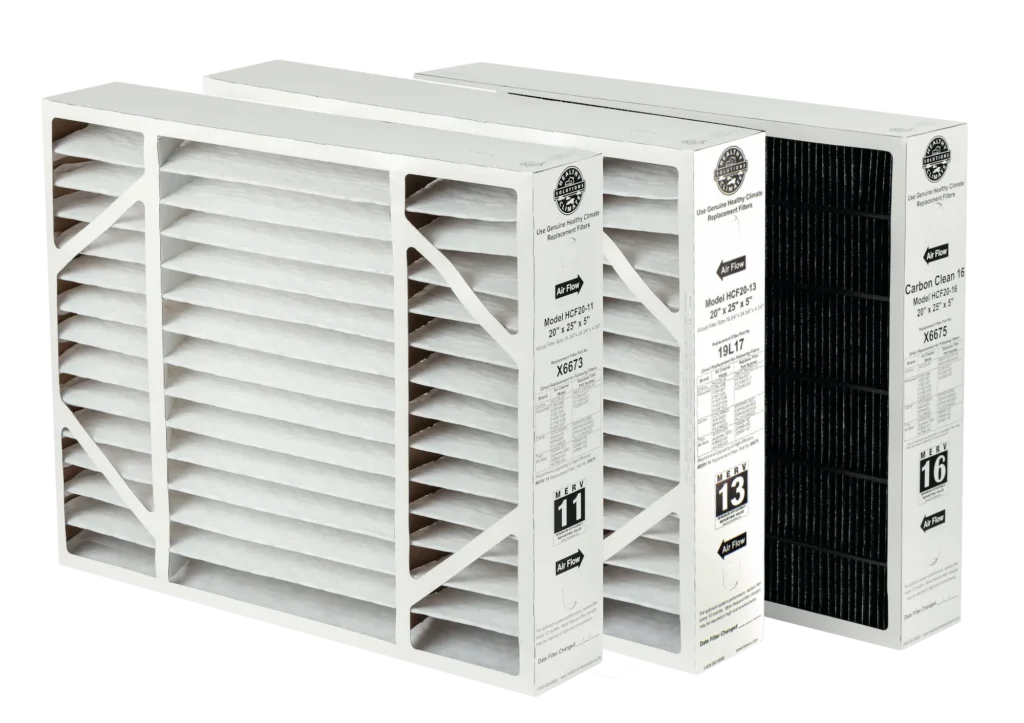
Your HVAC system's air filters serve as the first line of defense against allergens. As air moves through the system, filters trap particles like pollen, dust, pet dander, and mold spores before they circulate through your home.
High-quality filters can capture:
- Pollen particles from trees, grass, and weeds
- Dust and dust mites
- Pet dander from household animals
- Mold spores
- Other airborne allergens down to microscopic sizes
The effectiveness depends entirely on filter quality and maintenance frequency.
How Often to Change Your AC Filters to Prevent Mold and Allergen Build-Up
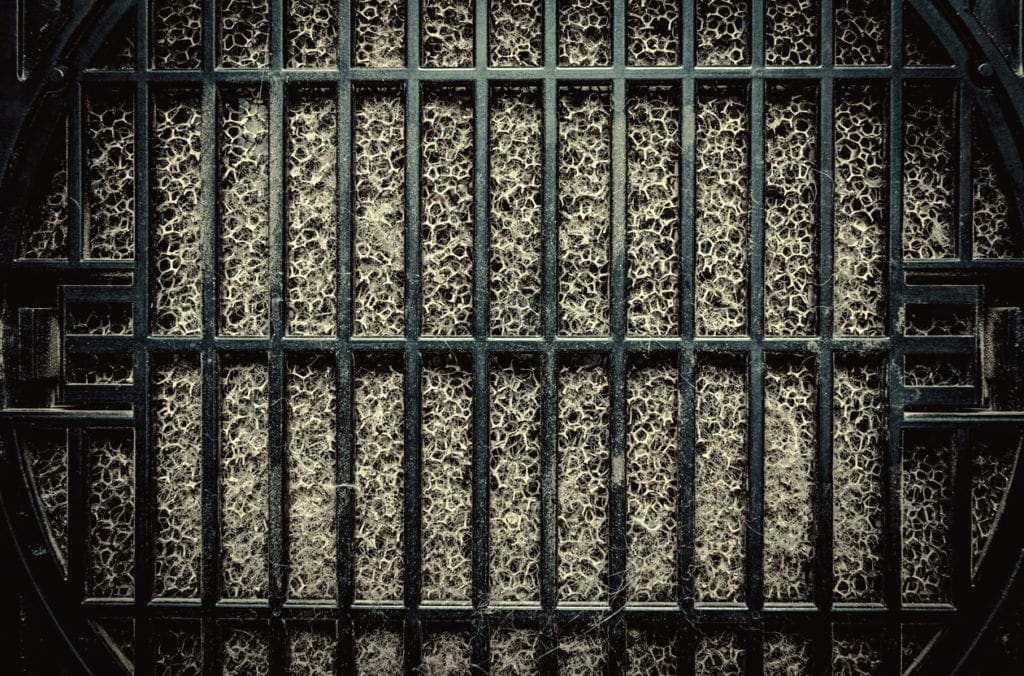
Dirty or clogged filters can't effectively trap allergens—and worse, they can contribute to mold growth and reduced airflow.
Here's what happens when filters aren't changed regularly:
Your AC has to work harder → Air quality decreases → Allergens recirculate → Mold may develop in the system → Energy costs increase → Equipment lifespan shortens
For optimal allergy relief, change your air filters based on these guidelines:
- Every 30-60 days if you have pets or severe allergies
- Every 60-90 days for average households during peak seasons
- Every 90 days minimum even with light use
If you're allergic to pollen, dust, or pet dander, investing in high-efficiency filters and changing them frequently is one of the simplest ways to improve your indoor air quality and reduce symptoms.
Maintaining Your Home's AC to Reduce Allergens
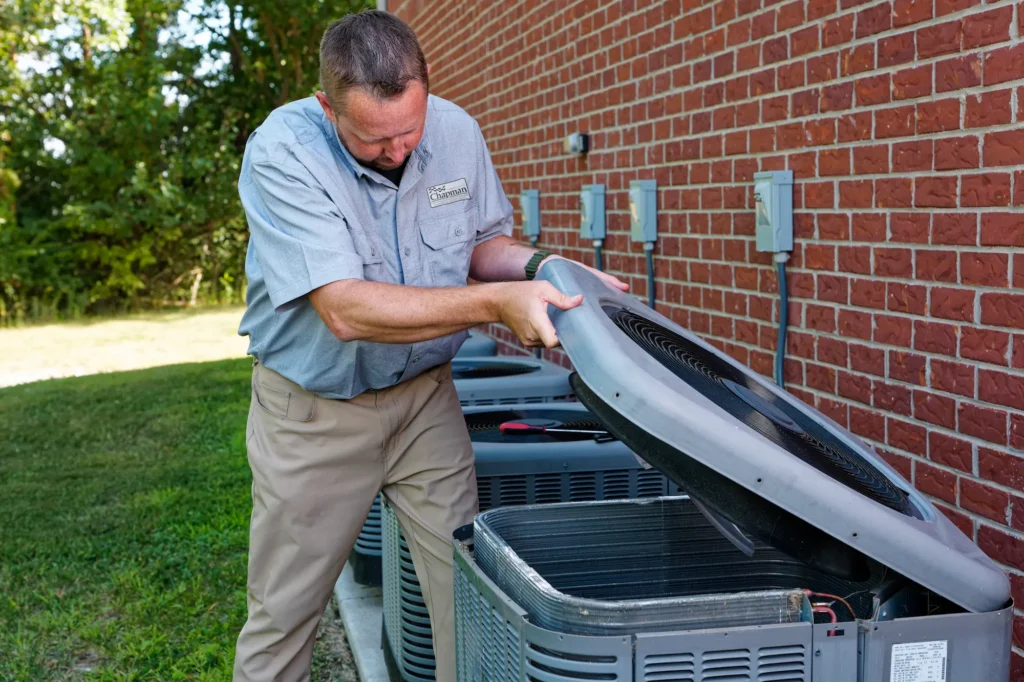
Routine HVAC maintenance goes beyond comfort—it directly impacts your indoor air quality and health. Professional inspections ensure that components like coils, drain lines, and blowers stay clean and dry, eliminating places where allergens can collect and spread.
Regular AC services should include:
- Cleaning evaporator and condenser coils to prevent mold growth
- Checking drain lines for clogs that create moisture buildup
- Inspecting ductwork for dust accumulation and air leaks
- Testing airflow to ensure proper circulation
- Replacing or cleaning filters
- Evaluating overall system performance
These preventive measures help your system run efficiently while keeping indoor allergens under control.
Professional Air Conditioner Tune-Ups for Allergy Season
Seasonal tune-ups help catch moisture issues, airflow restrictions, and early signs of mold before they become bigger problems. Having your system inspected before peak allergy seasons—especially spring and summer—helps keep indoor air cleaner and your equipment running reliably when you need it most.
An experienced HVAC technician can also recommend upgrades like:
- UV air purifiers that kill mold spores and bacteria
- Whole-home dehumidifiers to reduce humidity year-round
- HEPA filters for maximum allergen capture
- Duct cleaning services to remove accumulated dust and allergens
If you suffer from asthma or severe allergies, these upgrades combined with regular AC maintenance can provide significant relief and improve your quality of life.
Tips for Allergy-Friendly Air Conditioning Use
Using your air conditioning system consistently helps stabilize indoor conditions and protect against allergen buildup.
Follow these best practices to use air conditioning for allergy relief:
- Keep windows and doors closed during high-pollen days and warm weather months
- Run your AC regularly to maintain consistent airflow and humidity control
- Set your thermostat to reduce humidity below 50% for optimal comfort
- Clean vents and registers monthly to prevent dust accumulation
- Vacuum and dust frequently using HEPA-filtered equipment
- Wash bedding weekly in hot water to kill dust mites
- Address water leaks immediately to prevent mold from developing
- Use exhaust fans in kitchens and bathrooms to control moisture
Pairing proper AC use with good housekeeping creates a comprehensive approach to managing conditioning allergies and maintaining a healthier home environment for your family.
Remember: Your air conditioner works best when it's part of an overall strategy that includes cleanliness, humidity control, and regular professional maintenance.
When to Call a Professional for Allergy and AC Issues
Sometimes allergy symptoms persist even when basic steps are in place. That's often a sign that something deeper within the HVAC system needs attention from a qualified professional.
Signs Your Air Conditioning Isn't Helping Your Allergies Enough
Contact an HVAC specialist or allergist if you notice:
- Musty or moldy odors coming from vents when your AC runs
- Visible mold growth near vents, registers, or around your furnace
- Uneven cooling or weak airflow in certain rooms
- Worsening allergy symptoms or asthma flare-ups indoors
- Increased dust on surfaces shortly after cleaning
- Cold-like symptoms that improve when you leave home
- Excessive humidity despite running your air conditioning
- Strange noises from your HVAC system during operation
An experienced HVAC technician can identify airflow issues, moisture problems, mold contamination, or recommend filtration upgrades that help improve comfort and indoor air quality.
At Chapman Heating, we specialize in HVAC services that prioritize your family's health and comfort. Our team can evaluate your current system, recommend effective treatment solutions for indoor allergens, and provide the maintenance needed to keep your air clean year-round.
Don't let allergies control your life at home. Contact us today to schedule a comprehensive AC inspection and discover how professional HVAC care can help you breathe easier in every season.
Ready to improve your indoor air quality? Call Chapman Heating for expert AC maintenance and allergy solutions that work.