



Standby Generator Installation: How to Choose the Right Size Generator for Your Home
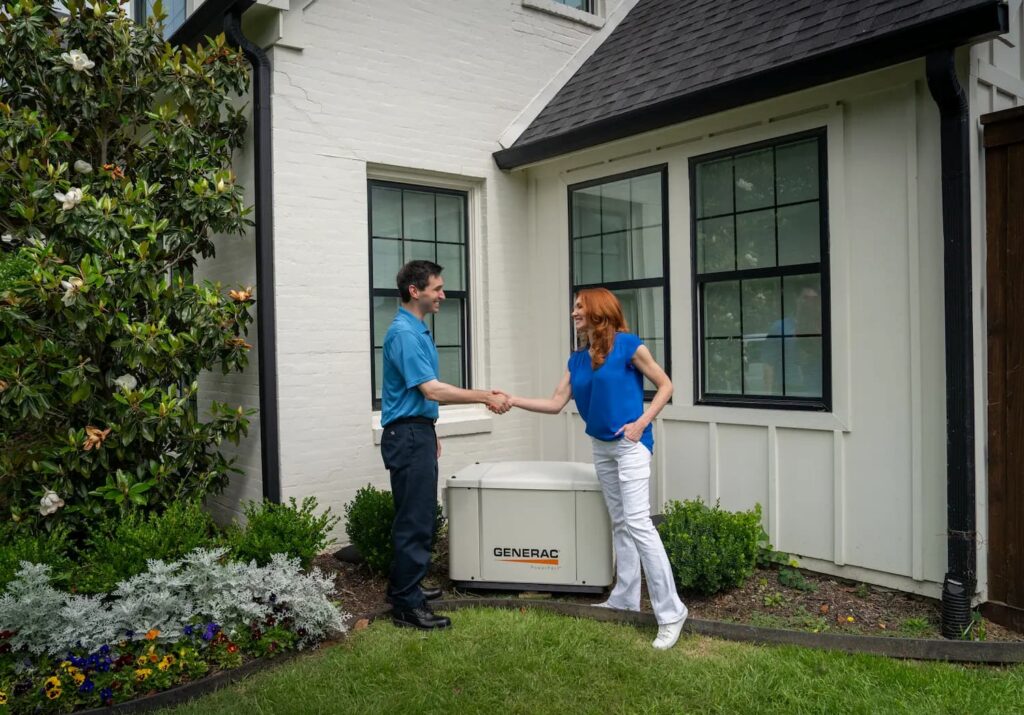
Power outages across Indiana do not take much to happen. Strong storms, heavy snow, and grid strain can leave homes without electricity for hours or days. Standby generator installation gives homeowners a way to keep essential systems running without interruption.
Chapman Heating, Air Conditioning, Plumbing & Electrical provides standby generator installation for homeowners who want consistent backup power and a system sized correctly for their electrical demand. When the power goes out, an automatic system restores electricity within seconds and keeps your home operating normally.
Why Proper Generator Sizing Matters for Your Home
Choosing the right size generator is what determines how well your system performs during an outage. A unit that is too small will struggle to keep up with demand. A unit that is too large adds unnecessary cost without improving performance.
Correctly sized standby generators provide steady power to the systems that matter most and reduce the risk of overloads or shutdowns.
Key Factors That Determine the Right Generator Size
Proper sizing is one of the most important parts of standby generator installation. Before any generator installation begins, it’s essential to understand how much power your home uses during an outage. A correctly sized standby generator ensures your most important electrical systems stay operational without overloading the unit or leaving key areas without power.
Electrical Load and Essential Appliances
During the installation process, a detailed evaluation of your home’s electrical demand helps determine whether your generator should support essential circuits or provide whole-home coverage. Many standby generators are permanently installed and connected through a transfer switch, allowing the system to restore power automatically when an outage occurs.
- Calculate total electrical demand to determine the right generator size for your home
- Identify essential systems like HVAC, refrigeration, and sump pumps that require continuous power
- Decide between essential circuit coverage or full home backup with a properly sized standby generator
Square Footage and Home Layout
Square footage and layout play a major role in determining the right size for your standby generator installation. The way your home is designed affects how power is distributed across electrical circuits, especially during an outage. A properly planned generator installation takes into account both the size of your space and how different areas of the home are used.
- Larger homes typically require higher-capacity generator systems to support total power demand
- Multi-level layouts may increase electrical demand across circuits and require more balanced power distribution
- Future additions or upgrades should be included in your generator installation plan to ensure long-term performance and reliability
Heating and Cooling System Demands
Heating and cooling demands are one of the biggest factors in standby generator installation, especially when determining how much power your home needs during an outage. Your HVAC systems often draw the most electrical load, and without proper planning, a generator may not be able to support both heating and cooling at the same time.
- Air conditioners and heat pumps increase overall generator load and require sufficient power capacity
- Furnace systems also add to total electrical demand during colder months
- Proper sizing during standby generator installation ensures all heating and cooling systems run without interruption
Whole-Home vs. Essential Circuit Generator Options
Whole-Home Generator Systems
A whole-home system supplies power to most or all systems during an outage.
- Keeps lighting, appliances, and HVAC running
- Maintains normal day-to-day function during outages
- Ideal for homeowners who want full coverage
Essential Load Generator Systems
Some systems are designed to power only key circuits.
- Focus on refrigeration, lighting, and heating
- Lower upfront cost
- Practical option for smaller homes
How Professionals Calculate Generator Size
Sizing is based on detailed electrical evaluation, not guesswork.
- Perform full load calculations before generator installation
- Account for starting and running wattage
- Match system capacity to your electrical panel
This process ensures your standby generator installation supports your home without overloading or underperforming.
Where Will My Generator Be Installed?
Placement is part of the installation process and must meet safety requirements.
- Outdoor placement near the home with proper clearance
- Ventilation and spacing based on local codes
- Accessibility for future generator maintenance
Professional generator installation ensures the system is placed correctly and connected safely.
Fuel Options That Influence Generator Size
Fuel type is an important factor in standby generator installation, as it directly impacts how your generator performs and how much power it can reliably deliver during an outage. The choice between fuel sources also affects long-term service, generator maintenance, and overall system reliability for your home. During generator installation, selecting the right fuel option helps ensure your system operates efficiently when you need it most.
Natural gas and propane are the most common fuel sources for standby generators, and each offers advantages depending on your home’s electrical setup and location. The right choice depends on availability, storage preferences, and how long you may need backup power during extended outages.
- Natural gas systems: Provide a continuous fuel supply, eliminating the need for on-site refueling and making them a convenient option for homes already connected to gas lines
- Propane systems: Offer flexible storage options and are ideal when natural gas is not available, delivering consistent power during longer outages
Generator Maintenance After Installation
A standby system needs regular upkeep to stay ready.
- Routine generator maintenance to ensure startup
- Annual inspections and system testing
- Monitoring battery condition and fuel supply
If issues come up, generator repair can address performance problems before they affect operation. Ongoing generator services also help keep the system working as expected year-round.
Benefits of Properly Sized Home Standby Generators
A properly sized system keeps your home functioning when power is lost.
- Continuous power during storms and outages
- Protection for appliances and electrical systems
- Stable indoor conditions during extreme weather
- Increased home value and long-term peace of mind
Schedule Standby Generator Installation for Your Home
Getting the right system starts with a proper evaluation. Chapman Heating, Air Conditioning, Plumbing & Electrical helps homeowners across the Greater Indy area choose systems that match their electrical needs and installation requirements.
If you are ready to move forward, schedule service online or call today. You can also learn more about generator installation options or explore generator size to better understand what your home requires before making a decision.