




How to Avoid Air Conditioner Water Damage
Summer is in full swing and there is no doubt you have your air conditioner cranking 24/7. Oh, the sweet, sweet relief of an air-conditioned home!
How Does Air Conditioner Water Damage Occur?
Summer doesn't just bring the heat, it also brings lots and lots of rain. On hot days, this rain sometimes just makes it even nastier outside by increasing humidity. Did you know all this rain and moisture can lead to serious damage to your air conditioner?
An air conditioner works in part by removing moisture and heat vapor from the air to help cool off your home. This moisture and vapor are turned into condensation that is dripped into a pan and then out of your unit into the sewer system. Excess moisture from rain or extremely humid days can greatly increase the amount of condensation from your unit.
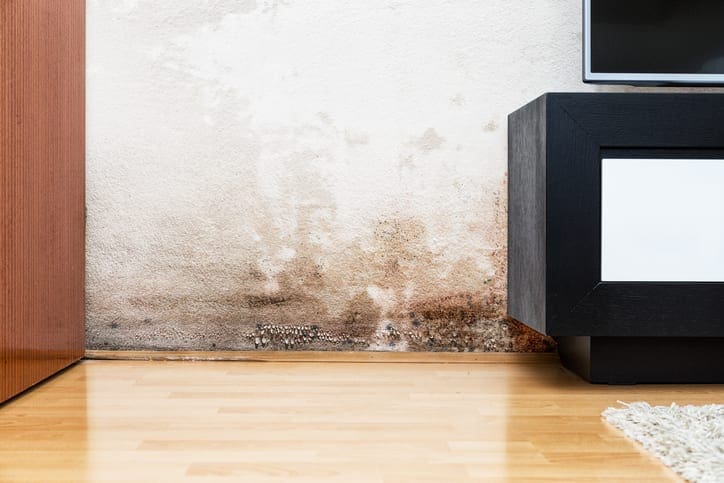
If left unattended, high water levels can cause clogs that result in leaks that can cause damage to your unit and home or the growth of mold in your home and system that is harmful to breathe.
Don't worry, there are simple measures you can take to help ensure you won't have to be confronted by expensive water damage in your home and even possible repairs to your air conditioner. Here's how.
Common Causes of an Air Conditioner Leaking
Several mechanical or maintenance problems can lead to air conditioner water damage. When these issues occur, excess water may begin collecting inside or around the system instead of draining properly away.
Water from a Clogged Condensate Drain Line
One of the most common causes of air conditioner leaking is a clogged condensate drain line. The condensate line carries moisture created during the cooling process away from your system and safely out of your home.
Over time, dirt, algae, dust, and debris can build up inside the line, creating a clogged condensate blockage. When this happens, condensation cannot drain properly and may back up into the system.
A clogged condensate drain line can eventually lead to a clogged drain, allowing water to overflow from the drain pan and leak around the unit. If ignored, these moisture problems can lead to additional issues, including mold growth or damage to nearby flooring or drywall.
Water from a Frozen or Dirty Evaporator Coil
The evaporator coil inside your air conditioning system is responsible for absorbing heat and allowing humidity to condense into liquid water during the cooling process.
If airflow is restricted by dirty air filters or blocked vents, the evaporator coil may become too cold and ice can form on its surface. When the ice eventually melts, the excess water may overwhelm the condensate drain, leading to an air conditioner leaking around the indoor unit.
Frozen coils can also cause additional system strain and may lead to damaged components if the problem continues.
Regular Maintenance Helps Prevent Issues
Like many common trouble areas that can come up with your air conditioner, one of the keys to prevention is regular maintenance. Make sure your HVAC system is annually checked by an air conditioner repair professional.
One of the main reasons for these clogged drain lines are algae that can build up over the years. Your technician can spot and address algae before the build-up becomes too great.
Remember: leave these kinds of check-ups and repairs to the professionals!
Clean Your Air Filter
As your air conditioner cools the air it is also cleaning it. Over time, your air conditioner's air filter can get NASTY and full of dirt, hair, lint and more. As it gets clogged up, it is harder for air to pass through and moisture can build up on the dirt, where mold begins to grow.
Thankfully, you don't need an expert HVAC service technician to change an air filter. Be sure to change your air filter every month. This keeps your air clean and help prevent build-up that can lead to moisture and mold inside your unit.
A clogged system also has to work harder, which can wear it out sooner and lead to expensive repairs.
Clear Away Outside Blockages
It is important to make sure anything that could block air flow is cleared from your HVAC unit. Like a dirty air filter, any blockages like bushes, trees, fallen leaves or anything else that could get in its way can cause your system to work harder.
These obstacles may also cause or produce additional airborne blockages that will clog up your filter.
Schedule an AC Services Appointment
If your air conditioner is leaking, or you are wondering if it is time to repair or replace your air conditioner, Chapman Heating, Air Conditioning & Plumbing is here to help. Our experienced technicians can diagnose the issue and recommend the right solution for your home, whether that means fast AC repair, routine AC maintenance, or a full AC installation if your system has reached the end of its lifespan.
Call Chapman today at (317) 207-9378.