






Resetting your gas or electric furnace is a simple task that can often resolve common issues such as a malfunctioning thermostat or a tripped circuit breaker. Whether you have a gas or electric furnace, knowing how to reset it can save you time and money on unnecessary service calls.
Keep reading to learn how to safely reset your furnace to keep your home comfortable when it’s cold outside.
Table of Contents
What Is a Furnace Reset Button?
The furnace reset button is a crucial safety feature within your home's HVAC system, allowing for rapid shutdown in case of overheating or malfunction. When triggered, it cuts power to the furnace to prevent potential hazards. However, frequent tripping of this button signals an underlying issue such as overheating.
Does Your Furnace Have a Pilot Light or Electronic Ignition?
Before you reset your furnace, it's important to know whether your unit uses a standing pilot light or an electronic ignition system. Most newer gas furnaces installed in Indianapolis homes no longer have a continuously burning pilot light. Instead, they use an electronic ignition controlled by the thermostat and the furnace's internal safety controls.
Furnaces installed within roughly the last 20 years typically use hot-surface or intermittent-pilot electronic ignition rather than a standing pilot light — which is why manually relighting a pilot with a match doesn't apply to most modern systems.
If your furnace was manufactured within the last 20 to 25 years, it likely has electronic ignition. These systems automatically ignite the burners when your thermostat calls for heating. Older systems may still rely on a standing pilot light, which must remain lit for the gas burners to operate properly.
If your heating system won't start, begin with a few simple checks before attempting a furnace reset:
- Verify your thermostat is set to "Heat" and the temperature is above the current room temperature.
- Make sure the breaker hasn't tripped. If necessary, reset the circuit breaker once and restore power to the unit.
- Locate the furnace reset button (if your model has one). Press and hold the reset button for the amount of time recommended by the manufacturer—typically just a few seconds.
- If your system has a standing pilot light, check whether it has gone out. Never attempt to relight a pilot light if you smell gas. Leave your home immediately and contact your utility company.
If the reset button immediately trips again or your breaker continues to trip after you reset it, there is likely a larger electrical or mechanical issue that requires professional repair. Continuing to repeatedly press the reset button can damage your equipment or mask an underlying safety problem.
A clean, efficiently burning gas furnace produces only small amounts of carbon monoxide, while a dirty or malfunctioning one can produce deadly amounts — never operate a furnace without its front safety panel properly in place.
Safety Precautions Before You Reset Your Furnace
Before attempting to reset your furnace, take a few minutes to perform some basic safety checks. Many heating problems are caused by a simple thermostat setting or a tripped breaker, but others require professional diagnosis. If you're ever unsure, Chapman Heating, Air Conditioning, Plumbing & Electrical is available to provide safe, reliable furnace repair throughout the Indianapolis area.
| ✓ Safe to Check Yourself | ⚠ Stop and Call Chapman Heating |
|---|---|
| Confirm the thermostat is set to Heat and increase the temperature a few degrees. | You smell natural gas or suspect a gas leak. |
| Check your home's electrical panel for a tripped circuit breaker. | The circuit breaker or furnace reset button continues to trip. |
| Press the furnace reset button once, following the manufacturer's instructions. | The furnace won't restart after one reset attempt. |
| Replace a dirty air filter if it restricts airflow. | You hear grinding, banging, squealing, or other unusual noises. |
| Verify all furnace access panels are securely closed before restoring power. | The system repeatedly shuts down, blows only cold air, or won't produce heat. |
| Turn off power before opening any service panel. | You're uncomfortable working around electrical or gas heating equipment. |
Where Is the Reset Button on a Furnace?
It’s typically colored red or yellow for easy identification and is commonly found inside the blower compartment. The reset button on a furnace serves as a vital safety feature. Remember that it’s normal for furnaces to require occasional resetting, especially in response to overheating. If the furnace frequently requires resetting, you should have it inspected to address any underlying issues.
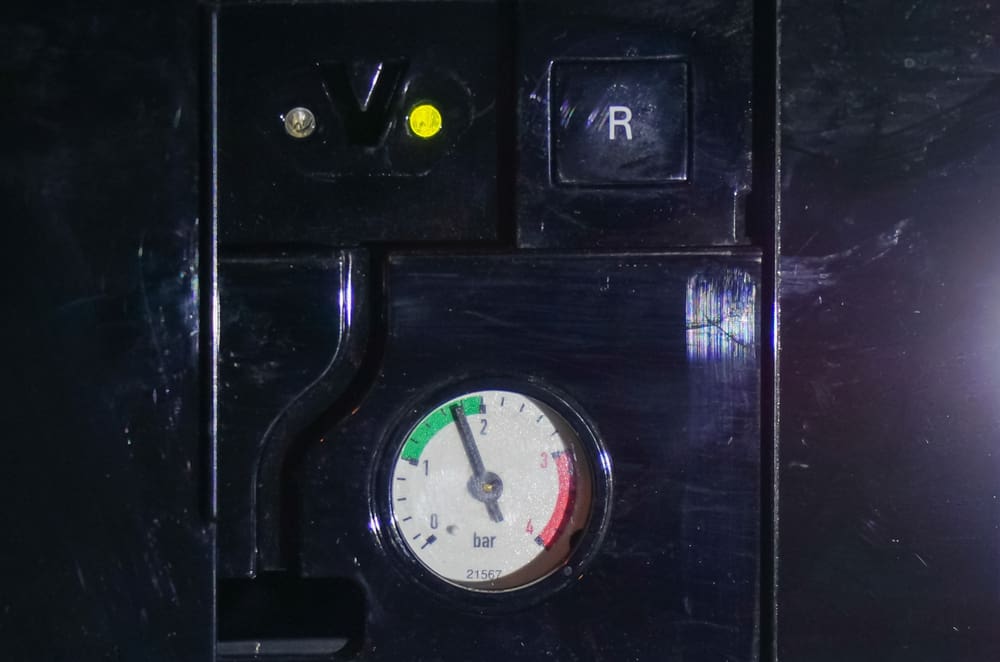
How to Reset a Gas Furnace
Resetting a gas furnace involves several key steps to ensure safe and effective operation.
- Ensure the Pilot Light Is Out: Verify that the pilot light is extinguished before proceeding with the reset.
- Adjust the Thermostat Setting: Reduce the thermostat temperature setting to its lowest level.
- Power off the System: Switch off the power supply to the furnace by turning off the corresponding breaker in the circuit box.
- Shut off the Gas Supply: Shut off the main gas supply to the furnace, keeping the pilot gas supply line open.
- Relight the Pilot Light: Use a lit match to relight the pilot light by holding it near the pilot flame jet's opening.
- Restore Power and Gas: After relighting the pilot light, turn the circuit breaker and the main gas supply back on.
- Press the Reset Button: Hold down the reset button for approximately 30 seconds.
How to Reset an Electric Furnace
Resetting an electric furnace involves a few different steps, which are outlined below.
- Power off the System: Turn off the power supply to the furnace. Locate the corresponding breaker in the circuit box, and turn it off also.
- Find the Reset Button: Locate the reset button. It’s typically found inside the blower compartment on the side of the blower motor.
- Press the Reset Button: If the reset button pops up, press it down to reset the furnace. Exercise caution as the housing may be hot.
- Replace the Cover: Once the reset is complete, return the cover to the blower compartment.
- Power On the System: Turn the power back on by flipping the breaker switch in the circuit box.
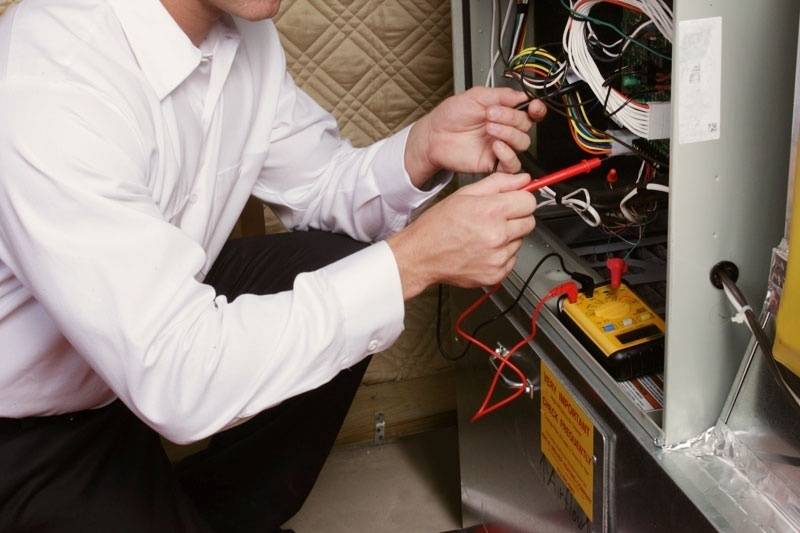
Why You Might Need to Restart Your Furnace
During the colder months, maintaining a functional furnace is crucial for indoor comfort. In certain situations, such as when the furnace becomes overheated, a reset may be necessary to ensure proper operation. This action halts the furnace and allows for a safe restart, preventing potential issues like a tripped circuit breaker. Here are some reasons why you might need to reset the furnace:
- Fuel Depletion: Running out of fuel can cause the reset button to trip. Check the fuel tank and refill if empty before attempting a reset.
- Closed Gas Valve: A closed gas valve connection can impede furnace operation. You may be able to remedy this problem by opening the valve manually.
- Flame Sensor Problems: Malfunctioning flame sensors can trigger a reset. In such cases, we advise contacting Chapman for a prompt inspection and efficient repairs.
Top-Notch Emergency Furnace Services in Indianapolis and Surrounding Areas
Chapman Heating and Air has served Indianapolis and its surrounding communities with exceptional HVAC and plumbing services for over four decades. We offer comprehensive services, including emergency furnace repair, installation, maintenance, heat pump repair and installation, and indoor air quality solutions.
Whether you're facing furnace issues or seeking to enhance indoor comfort, our team is dedicated to delivering reliable and efficient service. Contact our team of expert technicians to schedule an appointment today.
A lot of homeowners think that heat pumps are no match for the cold winter nights we experience in Indianapolis and across Central Indiana. But that simply isn't true.
Not only are heat pumps able to stand up to Indiana winters, but heat pumps are also an extremely cost-effective and energy-efficient HVAC solution. If you're interested in changing your heating system to an energy-efficient heat pump, give the heating and cooling experts at Chapman a call today at 317-953-4897. We are proud to offer professional heat pump maintenance, repair, and installation services in Indianapolis and the surrounding areas that will improve the overall comfort of your home.
Why is a Heat Pump Ideal for Central Indiana
There are several reasons why heat pump systems are great for Indianapolis area homes. If any of the following benefits could positively impact your home, consider heat pump installations services:
Low electrical rates in Indiana Homes
Marion County has one of the lowest electric rates in the country, according to Chapman owner Jeff Chapman. Instead of using fossil fuels to heat homes, heat pumps use electricity to move heat from the outdoors and into your Indianapolis home, according to EnergyStar.gov.
Because heat pumps use electricity and the rates are low here, you'll see significant energy savings from operating a heat pump. According to Chapman, if you put a pennies worth of electricity into an electric baseboard or portable heater, you'll get a pennies worth of heat. But if you use a pennies worth of electricity to run a compressor and heat pump, you may get 3.5 to 4 cents worth back.
Significant cost savings for Energy
Speaking of savings, you may save up to 50 percent on your electrical costs with the installation of a heat pump compared to electric resistance heating systems, including baseboard heaters and furnaces. Although you'll spend more on electrical costs compared to a gas furnace, you'll save overall on your energy bills by not using fossil fuels.
The Indiana Climate has ideal weather conditions
Yes, Central Indiana can be cold and snowy in the winter, but not as extreme as our northern neighbors. The average higher temperature during the winter months is in the mid-to-high-30s. Heat pumps operate most efficiently above 40 degrees but are still the most efficient heating source down to 30 degrees Fahrenheit.
When temperatures dip to 25 to 30 degrees or lower, it could be a problem. When this happens, you'll need the assistance of a secondary heating source to go along with your heat pump. Two popular options include electric heat strips or gas furnaces. However, for the majority of winter, you'll be just fine running your cost-effective heat pump.
Provide heating and air conditioning
Unlike traditional HVAC systems, heat pumps also provide air conditioning in the spring and summer thanks to a built-in reversing valve that reverses the flow of refrigerant in the system. Depending on the season, your heat pump can either produce heating or cooling, whenever you need it most.
Quiet operation
Many heating and cooling systems are extremely loud. High-quality heat pumps, though, operate both quietly and efficiently. With the installation of a heat pump, you'll be able to heat or cool your Indianapolis home more quietly than ever.
An air-source heat pump is safer than gas
Gas furnaces offer many advantages to homeowners, but they do come with an inherent safety concern, as there's always the possibility of a gas leak. Because heat pumps use electricity to run, you won't have to worry about a gas leak, which makes them a safer option. Contact us today to get heat pump services that your Indianapolis home can depend on.
Financing Options from Chapman
We understand that purchasing new HVAC equipment, like a heat pump, is a significant investment for your Indianapolis home. That's why we partnered with Wells Fargo to offer 72 months of special financing on a new Bryant system with approved credit. With a Wells Fargo card, you can buy now and pay over time. Call our HVAC experts today to get more information.
Contact Chapman for Heat Pump Service in Indiana
If you're interested in learning more about the advantages of having a new heat pump installed in your Marion County or Central Indiana home, including increased energy-efficiency and quiet operation, call the professional HVAC experts at Chapman today. If your current heating system breaks down at the worst possible time, the experts at Chapman will be there for you. We offer 24/7 emergency services to ensure that if you ever need heat pump replacement, repair, or maintenance services after normal business hours, you'll be covered.
Our professional heat pump technicians can help by performing high-quality heat pump maintenance, repair, and installation services to improve the overall comfort of your Indianapolis home. Call or contact us online today to schedule an appointment for heat pump services.
Heating Fuel Battle: Oil vs. Natural Gas in Indianapolis
Choosing the right heating fuel for your Indianapolis home depends on more than just the price of a new furnace. Access to natural gas, long-term operating costs, system efficiency, and your home's existing infrastructure all play a role. While many newer neighborhoods throughout Central Indiana have convenient natural gas service, some rural properties still rely on oil-fired heating equipment.
Table of Contents
An oil furnace is known for producing intense, comfortable heat during cold winter weather, making it a dependable option for homes that already have oil service. However, homeowners must plan for regular fuel deliveries and ongoing maintenance to keep the system operating efficiently.
By comparison, homes served by natural gas enjoy a continuous utility supply without scheduling deliveries. Modern gas furnaces are available with very high AFUE ratings, helping reduce energy consumption while maintaining consistent indoor comfort. In many cases, upgrading to a high-efficiency furnace can lower monthly utility costs over the life of the system.
ENERGY STAR recommends replacing a furnace or boiler once it's over 15 years old; ENERGY STAR-certified furnaces in the northern U.S. are up to 15% more efficient and can save homeowners about $120/year in energy costs.
Source: ENERGY STAR, “When is it time to replace?” energystar.gov, 2026 — https://www.energystar.gov/saveathome/heating-cooling/replace
Oil and gas both provide comfort at a reasonable price. Which is the best choice for you? Let's take a look at each:
Pros and Cons of an Oil Furnace
Oil furnaces are actually very efficient. They provide more heat per BTU (unit of energy). They are also typically less expensive than a gas furnace, but the installation is fairly comparable.
There is no oil pipeline to your home, so if you heat your home with an oil furnace you must have an on-site storage tank. If you have an existing oil furnace, you can typically use the same storage unit for the new furnace. We do however recommend having the tank cleaned and checked at the time of the installation.
The need for an external storage tank is the primary reason we don't recommend switching to oil from another fuel. There cost of installing a storage tank and restoring your yard after the installation makes this a less attractive alternative for homes in central Indiana.
You will also need to contract with a firm to deliver oil on a regular basis. This firm will usually service the tank at the same time. You should also plan to have your chimneys cleaned and oil filters changed frequently as soot is more likely to build up with an oil furnace.
One last consideration is the cost of oil. The price of both go up and down, but typically oil has been slightly less expensive than natural gas.
Pros and Cons of Gas Heat
If you are converting from oil, you will need to run a gas line to your home. Depending on how close the nearest existing line is, it can be quite expensive to run the line. In Indianapolis, Citizens Gas will often discount the cost of running the lines if homeowners agree to convert multiple appliances (furnace, stove, dryer, and or hot water heater) at the same time.
Gas furnaces tend to be more expensive than comparable oil units and do not create as much heat per BTU as oil.
On the other hand, natural gas burns cleaner than oil so less soot accumulates in the chimney. While periodic cleaning is still recommended, it does not need to be done as often.
If you are concerned with the environmental impacts, natural gas has a relatively low carbon footprint and is considered one of the cleanest nonrenewable energy sources.
Finally, natural gas is there when you need it. Since it is delivered to your home through a pipeline buried underground, there are no delivery schedules to manage. It is available when you need it.
What Is AFUE, and Why It Matters for Oil Furnace vs. Gas Furnace Efficiency
AFUE (Annual Fuel Utilization Efficiency) measures how efficiently a furnace converts fuel into usable heating for your home over an entire season. The higher the AFUE rating, the more heat your system produces from the fuel it consumes and the less energy is wasted through the exhaust. This makes AFUE one of the most important numbers to compare when choosing between an oil furnace and one of today's high-efficiency gas furnaces.
Many older oil furnace systems operate at AFUE ratings between 60% and 80%, while modern natural gas furnaces commonly achieve ratings of 90% to 98% AFUE. A higher-efficiency furnace can reduce monthly utility bills while providing more consistent indoor comfort throughout Indianapolis winters.
It's important to remember that AFUE is only part of the equation. The condition of your existing furnace, the quality of the furnace installation, your ductwork, insulation, and regular HVAC maintenance all affect real-world heating performance. An older oil furnace that hasn't been serviced may lose efficiency over time, while a properly maintained natural gas system can continue operating near its rated performance for many years.
If you're deciding whether to repair your current furnace or upgrade to a newer system, Chapman Heating, Air Conditioning, Plumbing & Electrical can evaluate your home's existing equipment, explain AFUE ratings, and recommend the best solution based on your comfort needs, budget, and long-term energy savings. Our HVAC professionals help Indianapolis homeowners choose reliable heating systems that deliver dependable performance season after season.
ENERGY STAR requires gas furnaces to hit 90% AFUE (U.S. South) or 95% AFUE (U.S. North, which includes Indiana) to certify — while oil furnaces only need to reach 85% AFUE.
Source: ENERGY STAR, “Furnaces Key Product Criteria,” energystar.gov, 2026 — https://www.energystar.gov/products/furnaces/key_product_criteria
Heat Pump vs. Gas Furnace: Is There a Better Alternative?
For many Indianapolis homeowners, a heat pump is another option worth considering when replacing an older furnace. While gas furnaces remain one of the most popular heating systems in Central Indiana because they provide dependable warmth during freezing temperatures, advances in heat pump technology have made them a practical solution for many homes.
Unlike a gas furnace or oil furnace, a heat pump doesn't create heat by burning fuel. Instead, it transfers heat from the outdoor air into your home, making it one of the most energy-efficient ways to provide heating and cooling throughout much of the year. During Indianapolis' coldest winter days, however, many homeowners still prefer the reliable performance of natural gas heating.
In fact, dual-fuel systems are becoming increasingly popular. These systems combine a heat pump with a gas furnace, allowing the heat pump to handle mild weather while the furnace automatically takes over during colder temperatures. This approach can improve comfort, reduce energy use, and provide dependable heating throughout Indiana's changing seasons.
If your home currently relies on an aging oil furnace, installing a high-efficiency heat pump or one of today's gas furnaces may significantly improve comfort and lower operating costs. The best choice depends on your existing HVAC equipment, access to natural gas, your insulation levels, and your long-term goals for the home.
| If This Sounds Like You... | Recommended Option |
|---|---|
| You already have natural gas service and your furnace is over 15 years old. | Upgrade to a high-efficiency gas furnace. |
| Your oil furnace still works well, but you're wondering if it's worth replacing. | Schedule a professional efficiency evaluation before making a decision. |
| You're building a new home or replacing your entire heating system. | Compare a high-efficiency gas furnace with a heat pump or dual-fuel system. |
| You want the lowest long-term operating costs and improved energy efficiency. | Ask Chapman Heating about today's ENERGY STAR® heating options. |
| You're not sure which system is right for your Indianapolis home. | Schedule a free replacement estimate with Chapman Heating, Air Conditioning, Plumbing & Electrical. |
At Chapman Heating, Air Conditioning, Plumbing & Electrical, our experienced HVAC professionals help homeowners compare all available heating solutions, not just the initial installation price. We evaluate your existing furnace, discuss expected furnace maintenance requirements, estimate long-term operating costs, and explain whether a heat pump, gas furnace, or dual-fuel system is the best fit for your home. We also provide expert heating repair, preventative maintenance, and complete replacement services to keep your heating system operating efficiently for years to come.
We don't have to remind you of how cold winters can be in Central Indiana. To combat the frigid air from November through March, you need a reliable heating system that can operate efficiently even on the coldest days of the year.
But furnaces , especially those that have been poorly maintained or are older , do tend to break down over time. What should you do when your electric or gas furnace doesn't turn on, starts making weird noises or isn't producing enough heat?
Before you panic or jump to conclusions, call the professional heating and air conditioner technicians at Chapman Heating, Air Conditioning and Plumbing. Problems brought on by a noisy furnace, lack of power to the furnace (if it's electric), or a furnace blower not functioning can usually be easily repaired. Your home's furnace problems might be more common than you think. Chapman has proudly provided HVAC services to the great people of Central Indiana for more than four decades and looks forward to you becoming a customer.
What Causes Furnace Trouble?
Furnace trouble in Central Indiana usually falls into one of four categories: the furnace won't start at all, it starts but doesn't produce enough heat, it runs but makes unusual noises, or it cycles on and off more than it should. Each of these points to a different part of the system, the thermostat, the gas supply and ignition components, the blower and filter, or the ductwork, so the fastest way to figure out what's going on is to match your symptom to the likely cause below. Some of these you can safely check yourself in a few minutes. Others involve gas, electrical components, or the furnace's ignition system and should be left to a licensed technician. Chapman's team has been diagnosing furnace trouble across Indianapolis and Central Indiana for more than four decades, so if you get partway through and aren't sure it's safe to continue, that's exactly what we're here for.
Furnace Won't Start
If your furnace won't start at all, the good news is that this is one of the easier problems to narrow down before you call anyone. Start with the basics: is the thermostat set to "heat" and above the current room temperature, and does it have fresh batteries or power? A thermostat that's dead or misconfigured is one of the most common reasons a furnace simply won't respond. From there, the cause is usually one of three things: a power interruption to the furnace itself, an interrupted gas supply, or a safety switch that's tripped and shut the system down as designed. Indianapolis homes see enough winter storms and brief power blips that a furnace refusing to start after one is more common than people expect, and it's often a quick fix once you know where to look.
Check Your Gas Supply and Power Switch First
Before assuming the worst, check two things that are safe for any homeowner to look at. First, find the furnace's power switch, it looks like a standard wall light switch and is usually mounted on or near the unit, and confirm it hasn't been bumped off. Check your breaker panel too, since a tripped breaker will kill power to the furnace without any other warning sign. Second, look at the gas supply: the shutoff valve on the gas line leading to the furnace should be parallel to the pipe when it's open. If it's turned crosswise, the gas supply is shut off and that alone will keep the furnace from igniting. Also check that a switch on the furnace or nearby hasn't tripped a high-limit or safety switch, which is designed to shut the system down rather than let it run unsafely.
What you should not do is force a gas valve that feels stuck, attempt to relight a pilot light that keeps going out, or continue troubleshooting if you smell gas at any point. A gas smell means stop immediately, leave the house, and call your gas utility or 911 before calling Chapman. For everything else involving the gas supply or ignition system, if the power switch and breaker check out but the furnace still won't start, that's the point to call a Chapman technician rather than keep testing components yourself, since the next likely causes (a faulty ignitor, flame sensor, or gas valve) aren't homeowner-safe repairs.
What Causes Furnaces to Stop Working Properly?
Here are some common causes for furnace trouble and how you can avoid them in the future.
1. Faulty Thermostat
The furnace's thermostat controls and programs when heat is supposed to be produced. If your thermostat is set to your desired room temperature, but it isn't working properly, it probably isn't sending the message to your furnace. Try changing the batteries to eliminate the problem. If that doesn't work, it's time to call Chapman to repair or replace your thermostat.
If your thermostat is set to heat, but it's not releasing much warm air, it's likely that your thermostat is faulty and is relaying the wrong temperature to your home's furnace.
We have a wide selection of thermostats to choose from that will fit your lifestyle perfectly, including programmable and smart thermostats that allow you to set the desired temperature from your smartphone even while you're away from home. We'll check the thermostat for you and figure out what your furnace's problem is.
2. Dirty Air Filter
When your HVAC system's furnace filter becomes dirty or clogged, it doesn't allow the right amount of airflow to the furnace system. A dirty filter will make it harder for your furnace to heat your home. The extra build-up in the air filter makes your furnace system work harder than necessary, which puts a strain on the machine. Some filters need to be replaced every month; some once a year. If you are not sure when to replace the filter, contact Chapman for help. Replacing the dirty and clogged filter will greatly extend the life of your furnace system, and you will have a much warmer home.
3. Lack of Maintenance
Your home heating system is very important, so you want to make sure you get your money's worth. Regularly scheduled maintenance is vital. Your furnace is made up of complex parts that all work together to keep the machine running smoothly. If you forget to schedule regular maintenance, you might experience breakdowns, an increase in your energy bill and a lot of frustration.
We recommend annual maintenance in the fall before you turn the system on for the first time. But even if you've already turned your system on, you should still have the system tuned up to help it provide quality heating on the coldest days of winter.
4. Pilot/Ignition Control Troubles
Some other issues you might be experiencing are problems with your furnace's ignition control. Don't attempt to repair this problem yourself. It's a good idea to have a professional HVAC technician evaluate the situation before it turns into a bigger problem. Our service technicians are available 24 hours a day, 7 days a week.
5. Blocked or Leaking Ducts
If your air ducts are blocked or are leaking, hot air won't be able to reach its end destination. Check that areas near the furnace are clear of any potential debris. A professional may need to pay your home a visit to check on the ducts. If they're blocked or leaking, they might be the source of your home's heating problems.
Is It Safe to Troubleshoot This Yourself?
Most of the furnace trouble covered in this guide, a dead thermostat battery, a dirty filter, a tripped breaker, is safe for any Indianapolis homeowner to check without special tools or training. But a furnace is a combustion appliance running on natural gas, and a small number of failure modes cross the line from "inconvenient" to "dangerous." Before you keep troubleshooting, run through the checklist below. If any of it applies to your situation, stop what you're doing and call Chapman or emergency services rather than continuing on your own.
Safe for you to check: thermostat settings and batteries, the furnace's power switch and breaker, the air filter, and whether vents around the house are open and unblocked.
Not safe for you to touch: anything involving the flame sensor, thermocouple, gas valve, ignitor, or the furnace's internal wiring. These require the right tools, testing equipment, and training to diagnose safely, and a wrong move around a gas or electrical component isn't worth the risk.
Signs of a Gas or Carbon Monoxide Leak
Carbon monoxide is colorless and odorless, which is what makes a malfunctioning furnace genuinely dangerous rather than just inconvenient. Nationally, more than 200 people die every year from carbon monoxide produced by malfunctioning fuel-burning appliances like furnaces, and Central Indiana homes running gas furnaces through long, cold winters are not exempt from that risk. Know the signs and treat them as an emergency, not a troubleshooting step.
Signs of a possible gas leak include a distinct rotten-egg smell near the furnace or gas lines, a hissing sound near a gas connection, or dead or dying houseplants near the furnace for no clear reason. Signs of possible carbon monoxide exposure include headaches, dizziness, nausea, or confusion that improve when you leave the house and return when you're back inside, soot or unusual staining around the furnace, and a furnace pilot light burning yellow instead of blue.
Contact Chapman for Furnace Maintenance and Furnace Repairs
Though we've mentioned common furnace problems that your system might be dealing with, your home might be dealing with a separate problem entirely. Your home's electric or gas furnace should be able to produce heat at the set temperature of your house. If it's not creating enough heat to completely heat the home, you may need furnace services performed.
Not sure if your furnace needs to be repaired or replaced? Tried all the furnace troubleshooting suggestions that you can find? Contact Chapman Heating, Air Conditioning and Plumbing for your heating and cooling needs. Chapman carries a full line of high-efficiency furnaces.
No matter the problem with your home's furnace, the experts at Chapman can help. Contact us today so we can recommend the best services for your home.
You're probably familiar with the phrase get some fresh air. You might tell your child to turn off the video games and go outside for some of that fresh Indiana air. But did you know the same idea applies to your home itself? A fresh air ventilation system helps bring clean air into your living space, without sacrificing the energy efficiency modern homes are built around.
What Are Fresh Air Ventilation Systems and How Do They Work?
Today's homes are built tight. That's intentional — better insulation and sealed construction help reduce heating and cooling loss and lower your monthly energy bills. But that same tightness has a downside: it restricts fresh air from naturally flowing into your home. The result is stale, allergen-filled indoor air that circulates over and over with nowhere to go. This can be especially true in Indiana, where homes are sealed up tight against brutal winter cold from November through March — and then closed back up again all summer for air conditioning. That means for the better part of the year, your home isn't getting the natural ventilation that milder, open-window seasons provide.
Dust, pollen, pet dander, and other pollutants become trapped inside, and without fresh air coming in to dilute them, your indoor air quality suffers. Fresh air ventilation systems solve this problem by continuously bringing in outdoor air while pushing stale indoor air out, all without the energy penalty of simply cracking a window.
So why not just open a window? Opening a window does bring in fresh air, but it also dumps the energy your system worked to heat or cool right outside. A fresh air ventilation system retains most of that energy through a controlled exchange process, making it far more efficient. It's also considerably safer than leaving windows open around the clock.
Ventilation Systems are different from:
- HVAC Filtration Systems: A filter on your furnace or air handler that traps larger particles (dust/dirt) to prevent them from entering the equipment.
- Air Purifier/Cleaner: A standalone appliance or specialized HVAC addition designed to actively capture smaller particles (allergens, smoke) using technologies like HEPA filters
- Whole House Dehumidifier: Installed directly into your HVAC system, a whole house dehumidifier automatically removes excess moisture from the air throughout your entire home — reducing mold risk, improving comfort, and helping your cooling system run more efficiently.
- HVAC UV Light: Ultraviolet germicidal lights installed inside your air handler or ductwork neutralize mold, bacteria, and viruses at the source — preventing biological growth on your coil and improving the overall cleanliness of the air circulating through your home.
Balanced Ventilation for Modern Homes
The goal of any whole-house ventilation strategy is balance. This means equal amounts of fresh air coming in and stale air going out. Balanced ventilation systems achieve this by operating supply and exhaust fans simultaneously, maintaining consistent airflow throughout every room in the home.
The benefits go well beyond comfort:
- Reduced indoor pollutants and allergens — contaminants don't build up when air is continuously refreshed
- Controlled moisture levels — prevents the excess humidity that leads to mold and mildew
- Healthier breathing — especially important for households with asthma, allergies, or respiratory sensitivities
- Consistent indoor temperatures — fresh air is introduced in a controlled way rather than as a cold draft or heat spike
Without mechanical ventilation, energy-efficient homes can actually trap more pollutants than older, leakier homes. Modern house ventilation systems are the answer to that trade-off.
Types of Fresh Air Ventilation Systems
Understanding your options is the first step toward choosing the right system. There are three primary categories of fresh air ventilation:
Exhaust Ventilation Systems
Exhaust ventilation works by depressurizing the home — fans push stale indoor air out, and fresh air is drawn in through small gaps and passive vents. These systems are simple and cost-effective, but they work best in colder climates and can sometimes draw in unconditioned or polluted air from unintended locations like crawl spaces or garages.
Supply Ventilation Systems
Supply ventilation does the opposite — it pressurizes the home by mechanically pushing fresh air in while stale air escapes through leaks and exhaust points. These systems give you more control over where fresh air enters and are better suited to hot or mixed climates. However, they can introduce humidity in warmer months if not properly managed.
Balanced Ventilation Systems: HRVs and ERVs
Balanced ventilation is the most complete solution for most homes, and it comes in two highly efficient forms: Heat Recovery Ventilators (HRVs) and Energy Recovery Ventilators (ERVs).
HRV (Heat Recovery Ventilator): A heat recovery ventilator transfers heat from outgoing stale air to incoming fresh air, so you're not losing the energy your furnace already worked to produce. This makes HRVs especially effective in colder climates where heating costs are the primary concern.
ERV (Energy Recovery Ventilator): An energy recovery ventilator goes a step further by transferring both heat and moisture. In humid climates or during summer months, an ERV helps keep incoming air from adding unwanted humidity to your home. In dry winter conditions, it helps retain indoor moisture for comfort.
Both types of ventilators connect to your existing HVAC system and operate quietly in the background — bringing in fresh air, exhausting stale air, and preserving the energy your system has already used.
Energy Recovery Ventilation and Energy Efficiency
One of the biggest hesitations homeowners have about fresh air ventilation is the impact on energy bills. It's a fair concern. Introducing outdoor air means your system has to condition it. That's where energy recovery ventilation systems earn their value.
ERVs and HRVs recover between 70% and 80% of the energy from exhausted air before it leaves your home. That means you're getting continuous fresh air exchange while keeping your heating and cooling loads — and your bills — under control. In fact, high-performance ventilation systems often pay for themselves over time through reduced strain on your HVAC equipment and lower energy consumption overall.
The key advantage of energy recovery systems over simply opening windows or relying on exhaust fans alone is that they treat ventilation as a two-way exchange, not a one-way loss.
Choosing the Right Ventilation System for Your Home
No single system is the best option for every household. The right choice depends on several factors:
Climate. HRVs are typically the better fit for cold climates where heating is the dominant energy cost. ERVs are often preferred in hot, humid climates where moisture control is just as important as temperature.
Home size and layout. Larger homes or those with complex floor plans may require zoned or whole-house ventilation approaches to ensure even air distribution throughout all living areas.
Existing HVAC systems. Most fresh air ventilation systems are designed to integrate with your current heating and cooling equipment, but compatibility and duct configuration should be confirmed by a professional before installation.
Indoor air quality needs. Households with allergy sufferers, asthma, or sensitivities to indoor pollutants may benefit most from high-efficiency ERV or HRV products paired with high-quality filtration.
At Chapman Heating and Air, we offer fresh air ventilation systems from trusted brands including Honeywell. Two standout options include:
- The Y8150 Fresh Air Ventilation System — works seamlessly with your existing heating and cooling system. A true set-it-and-forget-it solution that delivers optimal ventilation automatically.
- The Perfect Window Ventilation System — available as either an HRV or ERV, this system connects to your existing HVAC and gives you the ability to manually or automatically adjust how much fresh air flows into your home.
Both systems operate quietly and require minimal maintenance, making them practical for busy households.
Installation and Maintenance of Ventilation Systems
Proper installation is everything when it comes to fresh air ventilation. An incorrectly installed system can create pressure imbalances, introduce unconditioned air in the wrong areas, or fail to deliver the energy efficiency gains it's designed for. Professional installation ensures that airflow is balanced, ductwork is properly connected, and the system is calibrated to your home's specific needs.
Ongoing maintenance is straightforward but important. Routine tasks typically include:
- Filter changes — keeping intake and exhaust filters clean ensures airflow stays unrestricted and indoor air quality stays high
- Annual system checks — a technician can verify that heat exchange cores are clean, dampers are functioning correctly, and the system is operating at peak performance
- Seasonal adjustments — settings may be adjusted as outdoor conditions shift between summer and winter to maintain optimal indoor comfort
With proper care, fresh air ventilation systems are built to deliver reliable performance for many years.
Why Choose Chapman Heating & Air for Fresh Air Ventilation Systems?
Improving your indoor air quality doesn't have to mean higher energy bills or complicated equipment. Chapman Heating, Air Conditioning, and Plumbing has been helping homeowners find the right ventilation solution — from initial selection through installation and long-term support.
Our team will assess your home, explain your options in plain language, and recommend the system that best fits your needs and budget. Whether you're looking to address allergy symptoms, reduce indoor humidity, or simply breathe cleaner air in your home every day, we're here to help.
Ready to bring fresh air into your home? Contact Chapman Heating and Air today to schedule a consultation or learn more about the fresh air ventilation systems we install and service.
Schedule Online (317) 207-9378
At the risk of telling you something you're tired of hearing, replace the air filter in your furnace on a regular basis. Dirty air filters reduce the amount of air flowing through a system and make the furnace work harder to maintain the temperature. How often you change the filter depends on the type of filter you use, if you have pets, and the size of your equipment. Please give us a call and we can give you proper guidance.
Keeping your home comfortable and your energy bills manageable starts with one surprisingly simple habit — changing your air filter on schedule. Yet it's one of the most overlooked parts of home maintenance. If you've ever wondered how often should I change my air filter, you're in the right place.
How Often Should You Change Your Home Air Filter?
Quick answer: every 1–3 months for most homes.
That range exists because no two homes are exactly alike. A single-occupant home without pets may get away with changing filters every 90 days, while a busy household with dogs, cats, and allergy sufferers may need a fresh filter every 30 days.
Your HVAC system depends on clean air filters to do its job. When airflow is unobstructed, your system runs efficiently, your home reaches the set temperature faster, and the air you breathe stays cleaner. Skipping regular filter changes puts all of that at risk and costs you more in the long run. When an air filter is clogged or dirty, your HVAC system will struggle to pull in air, you'll use more energy to reach the set temperature, and your indoor air quality is greatly reduced.
What Happens If You Don't Change Your Air Filter Regularly
Neglecting filter maintenance isn't just an oversight; it's an invitation for problems that compound over time.
Reduced airflow and uneven temperatures. A clogged air filter chokes off the airflow your HVAC system needs. Rooms that were once comfortable may feel stuffy or inconsistently heated and cooled, and your system has to work harder to compensate. These leads to more air conditioner repairs and maintenance.
Higher energy bills and system strain. When your HVAC system is forced to pull air through a dirty, blocked filter, it runs longer and draws more power. That extra effort shows up directly on your energy bill and accelerates wear on components like the blower motor — potentially leading to costly heating system repairs.
Increased allergens and poor home air quality. HVAC filters are your home's first line of defense against dust, pollen, pet dander, and other airborne particles. A saturated filter stops capturing these contaminants, and may even start releasing them back into the air. For anyone with asthma or allergies, this can make symptoms noticeably worse. While installing air purification systems can help, replacing a dirty filter is always the first plan of attack.
How to Tell When Your Air Filter Needs to Be Replaced
Not sure if it's time? Here are three clear signals to watch for:
- Visible dirt, dust, and discoloration. Pull the filter out and perform a visual inspection. If it looks gray, brown, or completely clogged with debris, it's past due for a swap. A new filter should appear light-colored and clean.
- More dust in your home or worsening allergy symptoms. If you're noticing dust settling on surfaces faster than usual, or household members are sneezing more, your filter may no longer be doing its job.
- Your HVAC system is running longer than usual. When it takes noticeably more time to heat or cool your home, a dirty filter is often the culprit. Your system is working overtime to start and maintain airflow through a restricted filter.
Factors That Affect How Often You Should Change Your Air Filter
Pets and Household Size
Pet hair and dander are among the biggest reasons filters clog faster. If you have one or more furry companions at home, plan to change your filter every 30–45 days. Larger households — more people, more activity — also generate more dust and debris, shortening how long a filter stays effective.
Home Air Quality and Allergies
Homes where residents have allergies, asthma, or respiratory sensitivities benefit from more frequent filter changes — often every 20–45 days. Keeping filters fresh is one of the most impactful ways to maintain better home air quality and reduce symptom triggers.
HVAC Usage and Seasonal Demand
Heavy use during summer cooling season and winter heating months puts significantly more wear on your HVAC filters than during mild shoulder seasons. If your system is running nearly around the clock, check your filters more frequently during these peak periods.
Filter Type and Thickness
Not all air filters are created equal. Thicker, higher-quality filters may capture more particles and last a bit longer, but they still need regular monitoring. Filter sizes and construction vary widely, so always check the manufacturer's recommendations alongside these general guidelines.
Recommended Schedule for Changing Your Home Furnace Filter
| Household Type | Recommended Change Interval |
|---|---|
| Vacation home / rarely occupied | Every 6–12 months |
| Single occupant, no pets | Every 90 days |
| Average family home | Every 60 days |
| Home with one pet | Every 30–60 days |
| Multiple pets or allergy sufferers | Every 20–45 days |
Different Types of Air Filters and Their Replacement Timeline
Standard Fiberglass Filters
These are the thinnest, most affordable option — typically 1 inch thick. They provide basic protection for your HVAC system but capture fewer fine particles. They generally need to be replaced every 30 days and offer minimal benefit for home air quality or allergy relief.
Pleated Filters
Pleated filters are the most commonly recommended option for residential use. Their accordion-style design creates more surface area to trap dust, pollen, pet dander, and mold spores. Most pleated filters perform well for 60–90 days depending on household conditions. These represent a solid balance of cost, quality, and convenience for most homeowners.
High-Efficiency Filters (HEPA and High-MERV)
High-efficiency HVAC filters are designed to capture very fine particles, making them ideal for homes with severe allergies or air quality concerns. They can last 6–12 months, but their dense construction can restrict airflow if your system isn't designed for them. Before upgrading to a high-MERV or HEPA filter, consult with a professional to confirm compatibility with your system.
When choosing the right air filter, consider your household needs, your system's specifications, and filter sizes that fit correctly. A filter that's the wrong size — even slightly — allows unfiltered air to bypass it entirely.
When to Call Chapman Heating and Air for Help with Your Air Filter
Changing your filter regularly handles the majority of routine maintenance, but some situations call for professional attention.
Persistent airflow issues even after replacing the filter. If rooms are still not heating or cooling properly after a fresh filter is installed, the problem likely goes deeper — possibly a duct issue, blower problem, or refrigerant concern.
Unusual noises or system inefficiency. Rattling, banging, or whistling sounds from your HVAC system are never normal. These can indicate debris in the system, a loose component, or something more serious that a visual inspection alone won't reveal.
It's been more than a year since your last professional service. Even with consistent filter maintenance, your HVAC system benefits from annual HVAC maintenance and inspections. A technician can catch early signs of wear, clean components you can't reach, and verify that your system is running at peak efficiency.
Schedule HVAC or Air Filter Maintenance with Chapman Heating and Air
At Chapman Heating and Air, we make it easy to keep your home comfortable and your system running right. Our team provides professional inspections, filter maintenance services, and full HVAC system tune-ups for homeowners throughout the area.
Whether you're dealing with persistent airflow problems, want to improve your home air quality, or simply need a trusted local team to handle seasonal maintenance — we're here to help.
Don't wait for a breakdown to think about your air filter. Proactive care is always more affordable than emergency service.
Schedule your HVAC maintenance with Chapman Heating and Air today and breathe easier knowing your system is in good hands.
Schedule Online (317) 207-9378
Throughout the year in Indianapolis and across Central Indiana, the temperature will fluctuate from hot and humid in the summer to frigid and below-freezing in the winter.
Finding the recommended thermostat settings for summer and winter can be tricky. If you’re like most people, you want to strike the right balance between staying comfortable and saving on energy costs. This can be especially tough in Indiana’s fluctuating climate.
Whether you're trying to stay cool during muggy summers or warming up during icy winters, setting your thermostat correctly makes a measurable difference. Here's how to take control of your indoor climate without sacrificing comfort or your budget.
Recommended Thermostat Settings
The recommended thermostat settings for summer and winter depend on the time of day and whether you're at home or not. Smart programming and making minor adjustments throughout the day can save you up to 10% a year on heating and cooling bills, according to the U.S. Department of Energy.
What Temperature Should You Set Your Thermostat in Summer?
When it’s hot outside, your thermostat setting can impact how hard your air conditioner works—and how much you spend each month. Here’s what we recommend for your summer thermostat setting:
- When You're Home
Set your thermostat to 78°F (25.5°C) during the day. This is ideal for comfort and efficiency, especially when using fans to improve circulation.
- When You're Away from Home
Increase the setting to 85°F (29.5°C) when you’re away. This might sound high, but we promise it’s not. Setting the temperature at a higher setting while you’re away prevents unnecessary strain on your air conditioning unit.
- When You're Sleeping
Lowering the temperature slightly to 78°F can improve sleep quality without drastically increasing energy usage. Pair this with ceiling fans or programmable thermostat adjustments for added comfort.
What Temperature Should You Set Your Thermostat in Winter?
As temperatures drop in winter, it’s tempting to crank up the heat, but staying efficient helps you save during the winter. Here’s what you can do to maintain your winter thermostat setting:
- When You're Home
Keep the thermostat at 68°F during the day. This is the best temperature to stay comfortable without overworking your heating system.
- When You're Away from Home
Set your thermostat between 60 and 62°F when you’re away. This helps save energy while keeping pipes from freezing. If you’re away for more than a day, a temperature of 55°F is recommended.
- When You're Sleeping
Setting the temperature to 65°F promotes better sleep and can reduce your energy bill, especially when using flannel sheets or heated blankets.
Heat Pumps Operate Differently in Heating Mode
If your home uses a heat pump, the rules change slightly. These systems work more efficiently at steady temperatures, so large temperature fluctuations can cause them to work harder and reduce their efficiency.
It is generally not recommended to use a programmable thermostat with a heat pump for this reason. However, new programmable thermostats are now available that are specifically designed for heat pumps.
Either way, the best method to get the most out of your heat pump is to maintain a moderate setting.
What Temperature Should I Set My AC for Allergy Relief?
For optimal allergy control while maintaining energy efficiency, set your thermostat between 75-78°F during summer months. This temperature range allows your AC to run consistently enough to filter air and reduce humidity without excessive energy costs.
A programmable thermostat makes this even easier by maintaining stable conditions automatically—crucial for preventing the humidity fluctuations that encourage mold growth and dust mite populations.
Best Temperature to Set Thermostat to Save Money
Adjusting your thermostat is one of the most effective ways to save money on your energy bills, regardless of the season.
Below is a quick-reference guide with the ideal temperature ranges for both summer and winter:
| Season | At Home | Away | Asleep |
|---|---|---|---|
| Winter | 68°F | 60–62°F | 65°F |
| Summer | 78°F | 85°F | 78°F |
Energy-Saving Tips
You can stretch your HVAC system’s performance and reduce monthly bills with a few practical adjustments around the house. Here’s how:
- Install a Programmable or Smart Thermostat - A programmable thermostat automatically adjusts your home’s temperature based on your schedule. Many models allow you to control temperatures through your smartphone.
- Seal Windows and Doors - Drafty doors and leaky windows can let conditioned air escape. Use weather stripping, caulk, or thermal curtains to lock in comfort and avoid overworking your HVAC system.
- Maintain Your HVAC System - Dirty filters, clogged vents, and worn components all reduce efficiency. Scheduling regular maintenance appointments helps extend the life of your system and prevents costly repairs.
How to Use a Programmable Thermostat Effectively
Using a programmable thermostat correctly can significantly reduce your energy use without sacrificing comfort. But to reap the most benefits, it’s important to program it correctly.
According to ENERGY STAR, these best practices will help your programmable thermostat work for you, not against you:
- Install your thermostat away from heat sources.
Avoid placing your programmable thermostat near windows, skylights, fireplaces, lamps, or heating and cooling registers.
- Set the thermostat to energy-saving temperatures for extended periods.
Maintaining the same energy-saving temperature settings during the day when no one is home or while you are asleep is best.
- Use the “hold” button only when necessary.
Keeping your settings at a constant energy-saving temperature while you are away for more than a day is best. Use the “hold” button when going on vacation or away for the weekend.
- Don’t constantly adjust the settings.
Constantly adjusting the settings overrides pre-programmed settings. These frequent manual changes cause your system to work harder and increase energy costs.
- Use a programmable thermostat for each zone in your home.
Zoned heating and cooling systems work best when each area has its own programmed thermostat.
- Change your batteries annually.
Low battery levels can cause your system to stop following the programmed schedule or fail altogether. Upgrading to a smart thermostat can simplify this process.
Many models offer voice control, smartphone access, and even geofencing, which adjusts the temperature when you leave or return home.
Take Control of Your Comfort and Energy Costs with Chapman
Indiana weather is nothing if not unpredictable, but your indoor comfort doesn’t have to be. By understanding the recommended thermostat settings for summer and winter, you can enjoy a more energy-efficient home, lower utility bills, and better year-round comfort.
Whether you need a new programmable or smart thermostat, an HVAC system tune-up, or a zone control system for more targeted comfort, the experts at Chapman Heating, Air Conditioning, Plumbing & Electrical are here to help. We’ve served central Indiana for over 40 years, helping people stay comfortable in every season.
Take charge of your comfort and energy bills. Contact Chapman today for guidance and expert service.
What is an HVAC Damper?
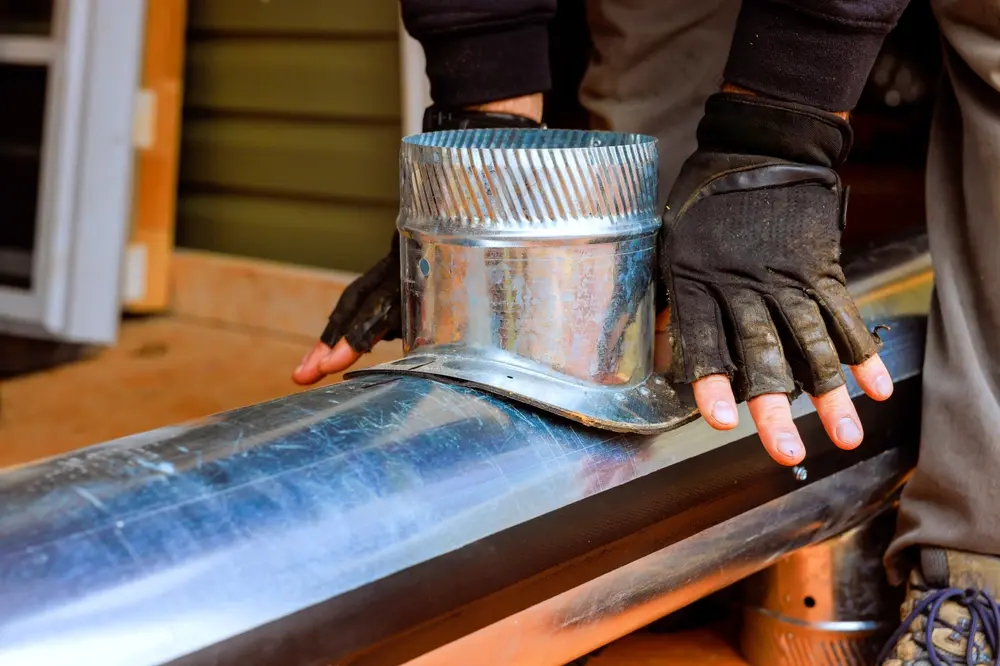
HVAC dampers are small metal plates or valves installed in your ductwork. They determine which portion of your home or business gets heated or cooled until the desired temperature setting is reached.
Key Takeaways about HVAC Dampers
- HVAC dampers regulate airflow inside ductwork and help direct heated or cooled air to specific areas of a home or business.
- Dampers are commonly used in zoning systems to improve comfort, reduce hot and cold spots, and increase HVAC energy efficiency.
- Manual dampers are adjusted by hand, while automatic dampers work with thermostats and motors to control airflow automatically.
- Several damper types are used in HVAC systems, including butterfly dampers, blade dampers, louver dampers, guillotine dampers, and inlet vane dampers.
- Proper damper placement and ductwork design help improve airflow control, system performance, indoor comfort, and long-term heating and cooling efficiency.
In other words, they control the amount of heated or cooled air to every part of your property. Dampers are an important part of HVAC zoning systems.
Importance in Your Heating and Cooling System
HVAC dampers help regulate airflow and minimize energy consumption. This, of course, results in lower monthly energy bills and a more comfortable living space.
How Are They Controlled?
Dampers are controlled in one of two ways:
- Manual Dampers: Manual HVAC dampers are operated by moving the valves by hand to open or close them. These valves are situated outside of the ductwork, allowing for easy manual control.
- Automatic Dampers: Automatic dampers are controlled by a motor that opens or closes them. These dampers work in tandem with your thermostat, can be operated remotely, and are capable of self-regulating in response to changing weather conditions.
Types of Dampers in HVAC Systems
There’s more than one type of damper out there. Take a look at the types of HVAC dampers we commonly work with.
Butterfly Flat Dish Dampers
Butterfly flat dish dampers consist of a round blade mounted on a central hinge and seal. The blade regulates the airflow, while the seal ensures that the edges of the blade are securely connected to the duct's circumference, preventing any particles from entering the duct.
Blade Dampers
There are two types of blade dampers: parallel and opposed. As the name suggests, parallel blade dampers have blades that are parallel to each other, while opposed blade dampers have blades that move in opposite directions.
Guillotine Dampers
We get that the name is a little morbid. Guillotine dampers are typically meant for industrial applications that need airflow isolation. They can be used to temporarily isolate airflow while a technician does maintenance on your HVAC system.
Louver Dampers
Louver dampers are the most common dampers used in HVAC systems. As the name suggests, they are louvered, can fit any duct size, and are highly durable in blocking airflow.
Inlet Vane Dampers
Inlet vane dampers are dampers used in appliances that require fan shut-off. These types of dampers can result in long-term energy savings.
Where are HVAC Dampers Located?
HVAC dampers can be placed in a few different areas of your ductwork. Common spots for damper placement include:
- Main Supply Ducts: This is the most common location for damper placement. They are placed in the main supply ducts to help control airflow to different areas of your house.
- Branch Ducts: Dampers can be placed in the branches of ducts, which allow for better temperature and airflow control.
- Return Ducts: Return ducts are an excellent location for managing and ensuring even pressure distribution.
Things to Consider When Installing a Damper
The number one thing to consider when installing HVAC dampers is how efficient they’ll be in controlling the airflow to certain parts of your property. Ductwork design plays a significant role in determining this.
Ductwork Design
It’s important to consider the design of your ducts. For example, branch ducts may be the best option for you if your ductwork runs to different areas of your home or business.
Benefits of Using Dampers in Your HVAC System
There are many benefits to using HVAC dampers. Let’s take a look at some of them.
Energy Efficiency and Savings
Regulating the flow of your air can reduce the cost of your monthly energy bills.
Reduced Hot and Cold Spots
Dampers can solve the issue of a hot upstairs and a cold downstairs.
Enhanced System Performance
The more controlled your airflow is, the better — and longer — your HVAC system will perform.
Solve Airflow Issues with Professional HVAC Solutions
There’s no need to be uncomfortable in your own home or business if you choose the right HVAC company.
For more than 40 years, Chapman Heating, Air Conditioning, & Plumbing has been providing HVAC solutions to homes and businesses across the Indianapolis area. If you've been looking to find the right HVAC contractor in the Indianapolis area, Chapman is your answer.
Control your airflow the Chapman way, and contact us for more information about our HVAC damper services.
Get a Free Estimate
We often put a lot of emphasis on purchasing heating and cooling equipment that is 'energy-efficient' , and why not? Who doesn't want to save some of their hard-earned money by lowering their monthly energy bills?
But what does energy efficiency actually mean when it comes to HVAC systems? In our most recent blog, the technicians at Chapman shed some light on efficiency ratings so the next time you're in the market for a new system, you'll know the right questions to ask. For all of your heating and air conditioning needs in Indianapolis, contact Chapman today.
What Ratings Are Used to Measure a Cooling System's Performance?
Energy-efficiency ratings play an important role in determining how much you will spend on a heating and cooling system and its operating costs. Seasonal energy efficiency ratio (SEER) and energy efficiency ratio (EER) are the two efficiency ratings used to measure a system's performance. A unit with higher SEER and EER ratings will equal lower operating costs but will come with a higher price tag.
First, let's dive a little deeper into these efficiency ratings.
SEER rating
If you're in the market for a new air conditioning system, a SEER rating is one of the most important factors to consider before making a purchase. According to Energy.gov, a seasonal energy efficiency rating is a measure of how much cooling output your home's central air conditioner puts out during an entire season in comparison to the energy it uses to do so.
When it comes to seasonal energy-efficiency ratio ratings, the higher the number, the more energy-efficient the cooling system is. A 10 SEER air conditioner won't be as energy-efficient as a 13, 16, or 20 SEER unit, for example. An older model will have a lower SEER number, which will mean that you will end up paying more money each month on your energy bill. A newer model, on the other hand, will likely have a high SEER rating that will lower your home's energy usage and save you money on your energy bill.
Air conditioners manufactured today have SEER ratings as low as 13 to as high as 24. To achieve ENERGY STAR status, your AC unit must have at least a 14.5 SEER. According to Energy.gov, upgrading from SEER 9 to 14, for example, can reduce your energy consumption by 35 percent. So if you were paying $100 a month in cooling costs, your bill would be reduced by $35.
It's important to note that you'll pay more upfront for a high-efficiency air conditioning unit, but you'll recoup that money over time with the energy savings you'll gain.
EER rating
An EER efficiency rating isn't as commonly referred to because it applies only to room air conditioning units. Room air conditioners cool rooms rather than an entire home or business. Room air conditioners are less expensive to operate than central units but do not have nearly as much coverage.
An EER efficiency rating is a standardized measure of an air conditioner's overall efficiency. The EER rating is calculated by dividing the BTU, or British Thermal Units, rating by wattage. The measurement is based on operating an AC when the temperature is 95 degrees Fahrenheit outside. The average EER rating is about 8.5 Anything above a 10 EER is considered efficient.
Choosing the right size room air conditioner is very important. A small unit running for an extended period of time operates more efficiently than a large unit that cycles on and off too frequently. Always consult with an HVAC system contractor before you make a purchase to get an expert opinion on the right unit for your needs.
How to Check Your Air Conditioner's Energy Efficiency
If you want to find out what your air conditioner's energy-efficient rating is, check your system's user manual or the AC's cabinet. If you have an older system with a lower SEER or EER rating, it could be a good time to upgrade to a newer, energy-efficient model.
When it comes to understanding HVAC energy efficiency ratings, things can get tricky. But understanding which energy efficiency rating applies to which air conditioning unit will greatly help when it comes time to purchase a new unit.
Contact Chapman for Your Home's HVAC System Needs
If you still have questions about SEER ratings, EER ratings, or anything else regarding HVAC systems or equipment, make sure to ask the HVAC system technicians at Chapman. They will be able to provide the right answers and guide you in the right direction. When you're ready to request an estimate for a new HVAC or air conditioning system or schedule an appointment, call Chapman at (317) 207-9378!

