



How to Fight Common Sources of Indoor Air Pollution

How to Improve Indoor Air Quality - Fight Common Sources of Indoor Air Pollution
Although it's great to get outside on nice spring, summer and fall days, Americans typically spend about 90% of their time indoors where the concentration of contaminants and pollutants are two to five times greater than the air outside. When you're cooped up inside, natural airflow is limited. For this reason, it's important to ensure that the air quality in your Indianapolis home is at a high level, especially for those who suffer from allergies, asthma or other respiratory illnesses. Even with your HVAC system running, you are still going to be exposed to much of the same air throughout the day. What this means is that anything inside your home that compromises air quality is going to stay inside and circulate. Poor air quality can cause illness, trigger allergies and asthma or just make it harder to breathe. To help keep you and your family healthy year-round, here are a few tips for keeping your indoor air quality fresh and clean.
Identify Common Indoor Air Pollutants and Pollution Sources
What Pollutants Are Found in Indoor Air?
To improve indoor air quality in your Indianapolis home, it’s important to understand the most common indoor air pollutants and where they come from. Many homes across Central Indiana experience indoor air quality issues caused by everyday activities, materials, and limited airflow. These pollutants can build up quickly, especially when outdoor air circulation is low during hot summers or cold winters.
Common indoor air pollutants include dust, pet dander, mold spores, bacteria, and microscopic particles that settle into carpets, floors, and furniture. Pet dander and allergens are especially problematic for households with pets or residents who suffer from allergies, as these particles continuously circulate through the air. In addition, volatile organic compounds (VOC) released from cleaning products, paints, and household materials contribute to indoor pollution and can negatively impact your health over time.
Poor ventilation allows these pollutants to linger, reducing overall indoor air quality. Opening windows when weather permits can help bring in outdoor air and dilute indoor pollution, but this must be balanced carefully during high pollen seasons in Indianapolis. Simple steps like keeping floors clean, regularly vacuuming, and using a damp mop can help reduce the buildup of particles that affect your indoor air.
Moisture is another major factor that impacts indoor air quality. If you do not control moisture or keep humidity levels in check, mold and mildew can develop, releasing additional air pollutants into your home. Using humidity sensors or whole-home solutions can help keep humidity levels balanced year-round and protect your indoor air quality.
To improve indoor air and create a healthier living environment, it’s important to eliminate individual sources of pollution whenever possible and reduce their emissions. This may include switching to low-VOC cleaning products, using an air purifier, upgrading air filters, and even incorporating indoor plants to support cleaner air. Air monitors can also provide insight into your indoor air quality levels, helping you make informed decisions about your home’s environment.
At Chapman Heating, Air Conditioning, Plumbing & Electrical, we help homeowners throughout Indianapolis identify and address indoor air quality concerns with customized IAQ solutions. From filtration upgrades to advanced purification systems, improving indoor air quality starts with understanding what’s in your air and taking the right steps to remove it.
Be Careful with VOC Cleaning Products
VOC (volatile organic compounds) are solid or liquid cleaning products that emit potent chemicals when used. As you can probably guess, chlorine bleach, furniture polish, aerosol sprays, oven cleaners and rug cleaners are all very common household VOCs. When these kinds of cleaners are used without precaution, the chemicals can linger in the air and can cause headaches, dizziness, nausea and more. Whenever possible, use VOCs outside to keep them out of your indoor air circulation. If you must use them indoors, make sure you are in a ventilated area, like your bathroom or kitchen, and can push the chemically tainted air outdoors.
Increase Ventilation to Reduce Stale Indoor Air
Open Windows When Weather Permits
When the weather is nice, turn off your air conditioner or furnace and let in some fresh air. Open windows can help with circulating fresh air throughout your home. Giving your HVAC a little rest can also help with your energy bill. Just be careful if you suffer from pollen allergies. While this allows for clean air to enter, it also opens the door for pollen and other outdoor allergies to enter, so act accordingly.
Keep a Healthy Humidity
During the warmer months, dust mites and mold thrive in high humidity levels. If left unchecked, these pollutants and contaminants can take hold and taint your indoor breathing air. Dust mites, mold and mildew are extremely common allergies and can trigger allergy and asthma symptoms. You may not think about humidity during the fall and winter months, but it is just as important. Low humidity levels create dry air, which helps with the spread of viruses such as the cold and flu. Maintaining a humidity level of 30 to 50% year-round will keep humidity levels in check. Utilizing a dehumidifier in your home during the summer and a whole house humidifier during the winter will keep your humidity levels at a comfortable level.
Regularly Clean, Vacuum, Mop and Dust
Maintaining a clean home is important in keeping air quality high. Dust, dirt, pet dander and other particles can build up and easily be kicked up from regular home activities. Although dirt, dust and dander aren't dangerous, they can make breathing difficult and result in coughing and sneezing as well as triggering other allergy and asthma symptoms. Vacuum carpets and furniture, use cleaning supplies without harmful chemicals and dust and mop on a regular schedule to prevent build up.
Install an Air Purifier and Upgrade Air Filters
Benefits of a Whole-Home Air Purifier System
For an extra level of protection, Chapman Heating, Air Conditioning, Plumbing & Electrical recommends installing a whole house air purifier or UV light air cleaner to your home's HVAC system. These systems integrate directly with your existing equipment to continuously treat the air as it circulates, rather than relying on portable units in a single room. Whole-home solutions are designed to capture and neutralize airborne pollutants such as pet dander, tobacco smoke, dust, and allergens so they do not re-enter your home's air supply. By improving overall air cleanliness, they can help reduce allergy symptoms, limit airborne irritants, and create a healthier indoor environment for your family.
How Air Filters Help Capture Pollutants
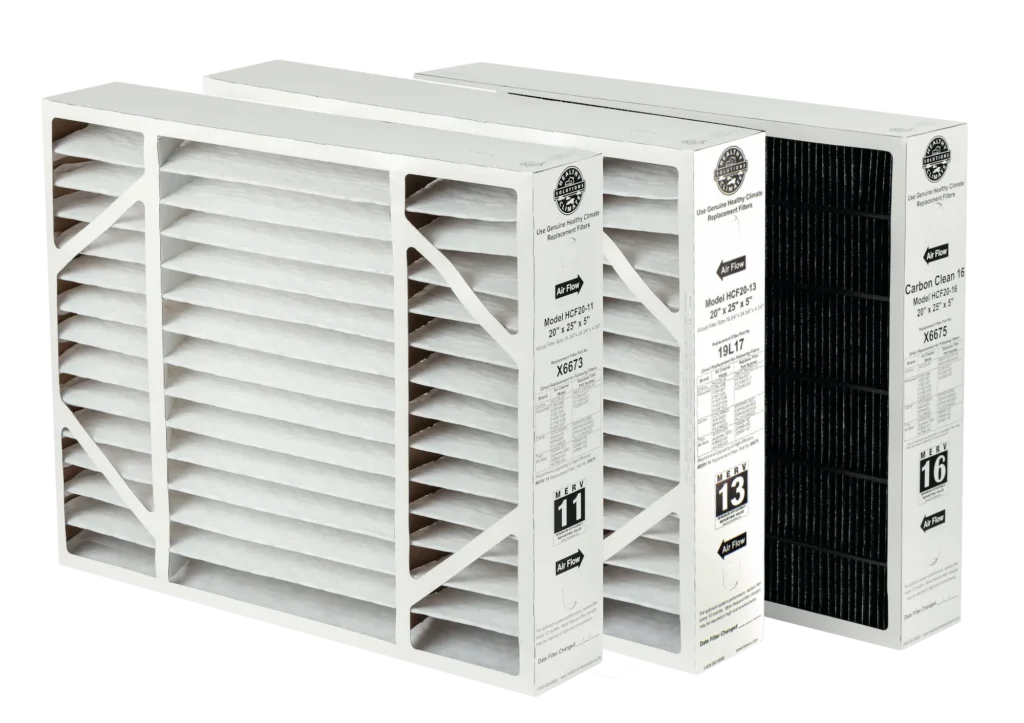
Your HVAC air filters play a critical role in trapping pollutants before they circulate throughout your home. As air moves through your system, filters capture dust, debris, and microscopic particles that can impact indoor air quality. It’s important to change your HVAC filter regularly, typically about every three months, but homes with pets, allergies, or higher usage may require more frequent replacement. Choosing the right filter type and rating can also improve performance and efficiency. To learn more about selecting the right hvac filtration system, consider consulting with a professional to ensure your system is properly equipped to handle your home's air quality needs. Always refer to your owner's manual for the correct replacement schedule and specifications.
Contact Chapman Heating, Air Conditioning, Plumbing & Electrical for Indoor Air Quality Solutions
If you're prepping for fall and winter and want to make sure your air conditioner and furnace are ready to tackle the tumultuous seasons, give Chapman Heating, Air Conditioning, Plumbing & Electrical a call, or contact us online for an inspection or to install indoor air quality solutions in your home.