




Why Is My Air Conditioner Not Blowing Cold Air But Running? Here’s How to Solve It
Is your air conditioner not blowing cold air, but it’s running? You're not alone. Thousands of homeowners face this issue every summer, feeling airflow but no actual cold air. Whether you’re battling rising utility bills or sweating through sleepless nights, this guide breaks down exactly what's going wrong—and how to fix it.
Key Takeaways About Air Conditioning Not Blowing Issues
- Air conditioners that run without blowing cold air are often caused by thermostat issues, dirty air filters, frozen evaporator coils, or blocked outdoor condenser units.
- Simple troubleshooting steps like checking thermostat settings, replacing HVAC filters, and clearing debris around the outdoor unit may restore cooling performance.
- Frozen evaporator coils and refrigerant leaks can prevent proper heat transfer and usually require professional HVAC diagnosis and repair.
- Mechanical failures such as damaged compressors, faulty capacitors, leaky ductwork, or improperly sized HVAC systems can reduce cooling efficiency and increase energy costs.
- Routine HVAC maintenance helps prevent cooling problems, improves system efficiency, and reduces the risk of unexpected AC breakdowns during Indianapolis summer heat.
Table of Contents
We'll walk you through the most common causes, simple DIY fixes, and when it's time to call a professional. Let’s get started.
Why Is My Air Conditioner Not Blowing Cold Air But Running? Simple Causes Explained
So your AC is not blowing cold air? Before you panic or assume there’s a major breakdown, know this: many air conditioners stop cooling due to a handful of minor, fixable problems.
Here are some common reasons why your AC is not cooling your house.
Incorrect Thermostat Settings for your AC
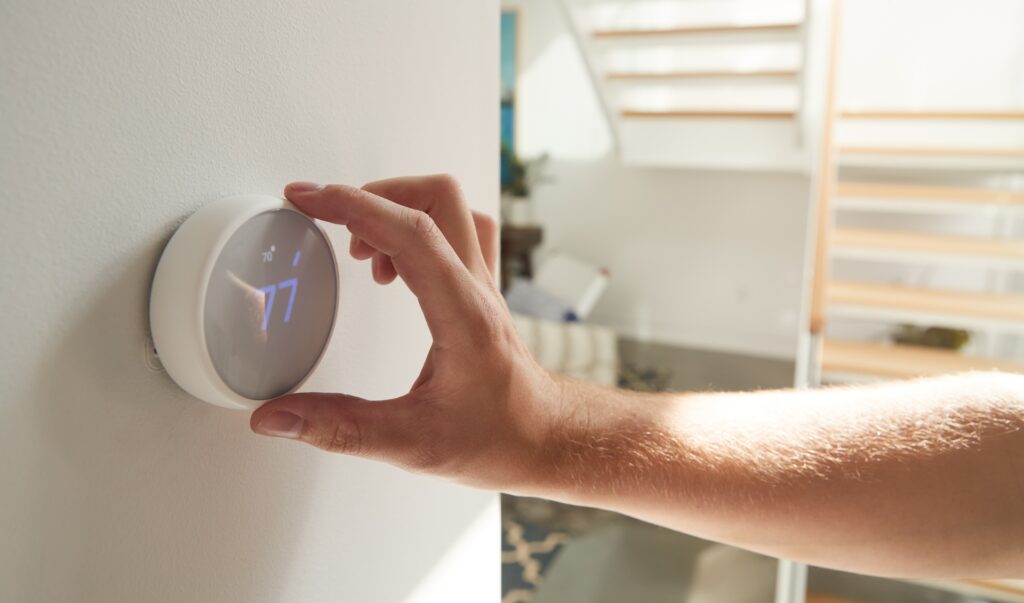
The thermostat controls when and how your AC runs. If it's set incorrectly, your system may blow air without ever cooling it.
Signs to look for:
- Thermostat set to “On” instead of “Auto” - “On” keeps the fan running continuously, while “Auto” only runs the fan during heating and cooling cycles
- Thermostat is set to “heat” instead of “cool”
- Temperature is set too high
- Unresponsive or blank display
To ensure accurate operation, confirm that your thermostat is in cooling mode, set below the current room temperature (which should be displayed on the thermostat), and functioning properly.
Still not sure what’s wrong? Contact Chapman to schedule a professional thermostat service.
Your Air Filter Is Dirty
A clogged air filter restricts airflow, which prevents your AC from circulating enough air over the evaporator coil to cool properly.
Common symptoms include:
- Weak airflow from vents
- Dust buildup in your home
- Ice forming on refrigerant lines
Change or clean your filters every 1–3 months, especially during peak cooling season.
Your Evaporator Coil Is Frozen
If your coil freezes, it can’t absorb heat from the air, resulting in the AC not blowing cold air. Here are some concerning symptoms to look out for, the causes of these symptoms, and practical fixes.
Symptom |
Cause |
Fix |
|---|---|---|
| Ice buildup on indoor unit |
High humidity indoors | No airflow from vents |
| Dirty filter, blocked airflow |
Refrigerant issue | Frozen coil blocking duct |
| Turn off AC, let it thaw | Contact HVAC technician | Clean filters and allow defrost |
Note: Never scrape ice manually. This could damage delicate fins or refrigerant lines. Instead, contact an AC professional to help you resolve the issue without damaging your unit.
Your Outdoor Condenser Coil Is Blocked
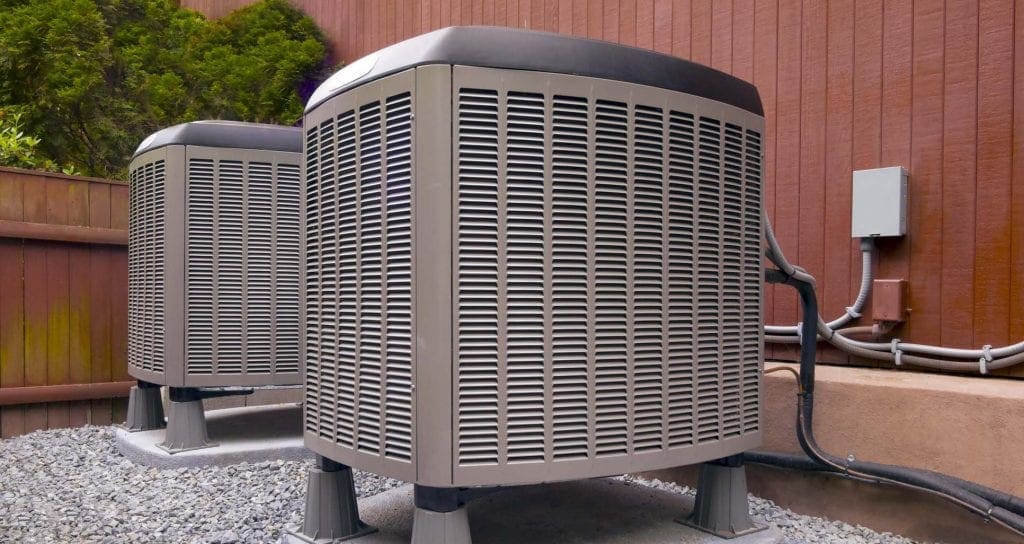
Your outdoor condenser coil needs space and airflow to release heat. When it's blocked by leaves, dirt, or debris, your system can't cool efficiently.
What to look for:
- Overgrown vegetation or grass around the unit
- Dirt or grime on the coil fins
- Objects stored too close to the unit
Clear at least 2 feet of space around your unit and gently rinse the coils with a hose if they are dirty. If you don’t feel confident doing this on your own, contact Chapman for assistance.
Your Heat Pump or Split AC Is Damaged
Heat pumps and ductless split systems can continue to circulate air even if the cooling mechanism has failed.
If this is the case, you’ll notice the following signs:
- Unit blows room-temperature air despite being in “cool” mode
- Outdoor fan runs but no temperature change inside
- No error codes or alerts
If your split AC is not cooling, but the fan is running, internal components may be malfunctioning and should be inspected by a pro.
Schedule an Inspection
Troubleshooting an AC That Is Running but Not Blowing Cold Air
If you're asking yourself, "why is my air conditioner not blowing cold air?", you're not alone. Many homeowners discover their air conditioner is running normally, but the vents are only delivering warm air or airflow that isn't cool enough to keep the home comfortable.
Fortunately, some air conditioning problems can be resolved with simple troubleshooting before scheduling professional service. Follow these steps to identify common cooling issues and determine whether your AC needs repair from an HVAC technician.
1. Check Your Thermostat Settings
Before assuming your air conditioner needs repair, verify that the thermostat is configured correctly. Incorrect settings are one of the most common reasons an AC system appears to be not blowing cold air.
What to check:
- Make sure the thermostat is set to "Cool" mode
- Lower the set temperature at least 5 degrees below the current room temperature
- Verify programmable schedules haven't changed automatically
- Replace batteries if the thermostat display is blank or malfunctioning
- Confirm the HVAC system is responding to thermostat commands
If thermostat problems persist, an HVAC technician can inspect the controls and determine whether repair or replacement is needed.
2. Inspect Your Air Filter for Restricted Airflow
A dirty air filter is one of the most common causes of poor cooling performance. When airflow becomes restricted, your AC system struggles to move enough air across the evaporator coil, making it difficult to produce cold air.
Follow these steps:
- Turn off the HVAC system
- Remove and inspect the air filter
- Replace disposable filters or clean reusable filters
- Restart the system and monitor cooling performance
A neglected air filter can also contribute to frozen evaporator coils, higher energy bills, and unnecessary wear on air conditioners.
3. Reset the Air Conditioning System
Occasionally, an air conditioning system may experience a temporary electrical fault that affects cooling operation. Performing a system reset can sometimes restore normal performance.
To reset your AC:
- Turn the thermostat off
- Shut off power to the indoor and outdoor units
- Wait 5 minutes
- Restore power
- Return the thermostat to Cool mode
If the AC continues running without blowing cold air after a reset, additional troubleshooting or repair may be required.
4. Check for a Frozen Evaporator Coil
A frozen evaporator is one of the most common reasons an AC stops blowing cold air. When the evaporator coil becomes covered in ice, it cannot absorb heat from your home's air, preventing proper cooling.
Common signs of a frozen evaporator coil include:
- Weak airflow from vents
- Visible ice on refrigerant lines
- Water around the indoor unit after thawing
- Warm air coming from supply vents
- Reduced cooling throughout the home
To thaw frozen evaporator coils:
- Turn the thermostat to "Off"
- Set the fan to "On"
- Allow several hours for the ice to melt completely
- Replace the air filter before restarting the system
If your evaporator coils freeze repeatedly, the problem may be related to airflow restrictions, ductwork problems, or low refrigerant levels.
5. Inspect the Outdoor Condenser Coil
Your outdoor condenser coil releases heat collected from inside your home. If the condenser coil becomes covered with dirt, grass clippings, leaves, or other debris, the AC system may struggle to cool properly.
What to do:
- Turn off power to the outdoor unit
- Remove debris around the equipment
- Maintain at least 2 feet of clearance
- Gently rinse the condenser coil with a garden hose
- Avoid pressure washing the coils
Clean condenser coils improve cooling performance and help air conditioners operate more efficiently during the hottest months of the year.
6. Determine Whether It's Low on Refrigerant
If your AC is running but not blowing cold air, there's a possibility it's low on refrigerant. Refrigerant is the substance responsible for absorbing and transferring heat from your home.
When refrigerant levels drop, cooling performance suffers. In many cases, low refrigerant indicates refrigerant leaks somewhere within the system.
Signs your AC may be low on refrigerant:
- Long cooling cycles
- Warm air from vents
- Frozen evaporator coil
- Hissing sounds near HVAC equipment
- Reduced ability to cool the home
Because refrigerant handling requires specialized equipment and EPA certification, only a qualified HVAC technician should diagnose refrigerant leaks and restore refrigerant levels.
When to Call an HVAC Technician for AC Repair
Some AC problems can be resolved through basic maintenance, while others require professional repair. If you've completed the troubleshooting steps above and your air conditioner is still not blowing cold air, it's time to schedule service.
Contact an HVAC technician if you notice:
- Repeated frozen evaporator coil problems
- Suspected refrigerant leaks
- Persistent warm air from vents
- Short cycling
- Electrical issues
- Unusual noises from indoor or outdoor equipment
- Poor cooling despite a clean air filter
An experienced HVAC technician can inspect the system, identify the source of the problem, and recommend the appropriate repair to restore reliable cooling and comfort.
Complex AC Issues That Should Be Addressed by a Professional HVAC Technician
Tried all the basics, and your AC is still not cooling? You could be dealing with a more complex issue. These problems require the expertise, tools, and certification of a licensed HVAC professional.
If you’re experiencing any of the following issues, it’s time to contact a Chapman pro:
Your Refrigerant Is Leaking and Refrigerant Levels are Low
When refrigerant levels drop due to a leak or another malfunction, the system can’t cool effectively, and may even shut down to prevent damage.
Signs of a refrigerant leak:
- Hissing or bubbling sounds near the indoor unit
- Ice buildup on the refrigerant line or evaporator coil
- AC runs constantly but doesn’t lower the temperature
Do not attempt to handle refrigerant yourself. Leaks can be dangerous and require EPA-certified handling and recharge. If you suspect a refrigerant leak, schedule an AC repair as soon as you can.
Your Unit is Improperly Sized or Outdated
If your AC is too small for your home, it may run constantly without reaching your desired temperature. On the other hand, oversized units tend to short-cycle, resulting in excess wear and humidity issues.
Clues your unit may need replacement:
- It’s 10–15+ years old
- Energy bills are rising steadily
- Cooling is uneven between rooms
In many cases, replacing your system with a properly sized, energy-efficient central air conditioning unit is more cost-effective than another repair.
Your System Has Mechanical Failures
Mechanical breakdowns can prevent cold air from circulating, even when the system is turned on.
Common failure points include:
- Broken compressor or fan motor
- Burnt-out capacitor
- Faulty contactor relay
If you often hear odd noises, experience electrical trips, or notice complete system failure, these parts require specialized diagnosis and replacement.
You Have Leaky Ductwork
Even if your system is working, cool air may be escaping through holes or gaps in your ductwork, especially if it runs through attics or crawl spaces.
Symptoms of duct leaks:
- Weak airflow in certain rooms
- Increased dust indoors
- Hot or cold spots throughout the house
A professional can test for leaks and recommend air sealing and insulation to restore proper airflow and efficiency.
Your Condenser Coils Are Damaged
Your outdoor condenser coils are exposed to the elements. Over time, corrosion, impact, or long-term neglect can lead to coil damage that affects performance.
You might notice:
- Warm air blowing from vents
- Visible bent or broken fins
- Unusual noises from the outdoor unit
Replacing or repairing condenser coils requires specialized tools, and sometimes it’s more economical to replace the full unit, especially for older systems.

Still Not Cooling? Let a Certified HVAC Technician Help
If your air conditioner is still not blowing cold air but running, don’t wait—continued operation under stress can cause further damage or lead to a full system breakdown.
A certified HVAC technician can diagnose the issue quickly, whether it’s low refrigerant, a failing compressor, or faulty ductwork. At Chapman, we specialize in:
- Air Conditioning Repair
- AC Replacement & Installation
- Air Filtration Systems for healthier indoor air
We’ll help you choose the right solution—whether that means a quick repair or a new system designed for maximum efficiency.
And don’t forget: preventative maintenance is your best defense against unexpected breakdowns and high energy bills.
Keep Your AC Running Efficiently Year-Round with Priority Service
Want to avoid cooling problems in the future? Chapman’s Priority Maintenance plan offers total peace of mind.
Member benefits include:
- Seasonal HVAC tune-ups to catch problems early
- Priority scheduling—even during peak summer months
- Discounts on repairs and diagnostic fees
- Longer equipment lifespan and improved efficiency
Routine maintenance isn’t just about performance—it protects your comfort, your wallet, and your system’s warranty.
Don’t wait for an AC emergency. Join our Priority Maintenance program today and enjoy reliable comfort all year long.