






At some point in a homeowner’s journey, residents will come across the common aggravation that is low water pressure. This leads to the pertinent question “Why is my water pressure low?” There is a multitude of reasons for low water pressure, and knowing those reasons and the common background behind water pressure will alleviate homeowner stress.
Symptoms of Low Water Pressure
You’ll know when water pressure in your house isn’t right. Around Circle City, Hoosiers often notice the problem first thing in the morning or when more than one faucet is running. Here are some of the most common signs:
- Faucets that only drip or trickle instead of a steady stream
- Showers that feel weak and take forever to rinse soap or shampoo
- Appliances like dishwashers and washing machines that run longer than normal
- Toilets that take too long to refill after flushing
- Water flow that drops sharply when two or more fixtures are in use
If you’ve noticed these issues in your Greater Indy area home, it’s a good idea to dig into the cause before the problem gets worse.
What Is a Normal Water Pressure Level?
A normal water pressure for your house ranges from 45 to 80 psi. Anything below that level constitutes low water pressure. If you are feeling wary that your water pressure is low, use a test gauge that measures psi. This handy tool can be found at most hardware stores. To measure your home’s water pressure, screw the gauge onto the hose spigot on the outside of the home. Turn the valve on, and your reading will appear.
7 Causes of Low Water Pressure
1. Water Demand
A common cause for low water pressure can be due to high water demand within the household. When multiple taps are used throughout the house, this can drop the water pressure below a satisfactory level. Between the multiple taps being used throughout the home, the demand becomes too high, leading to low water pressure.
This can easily be fixed by making sure the use of water throughout the house is divided properly by staggering activities that rely on water consumption. Examples would be avoiding showers when running the dishwasher and making sure multiple sinks aren’t being used at the same time.
2. Closed Shut-Off Valves
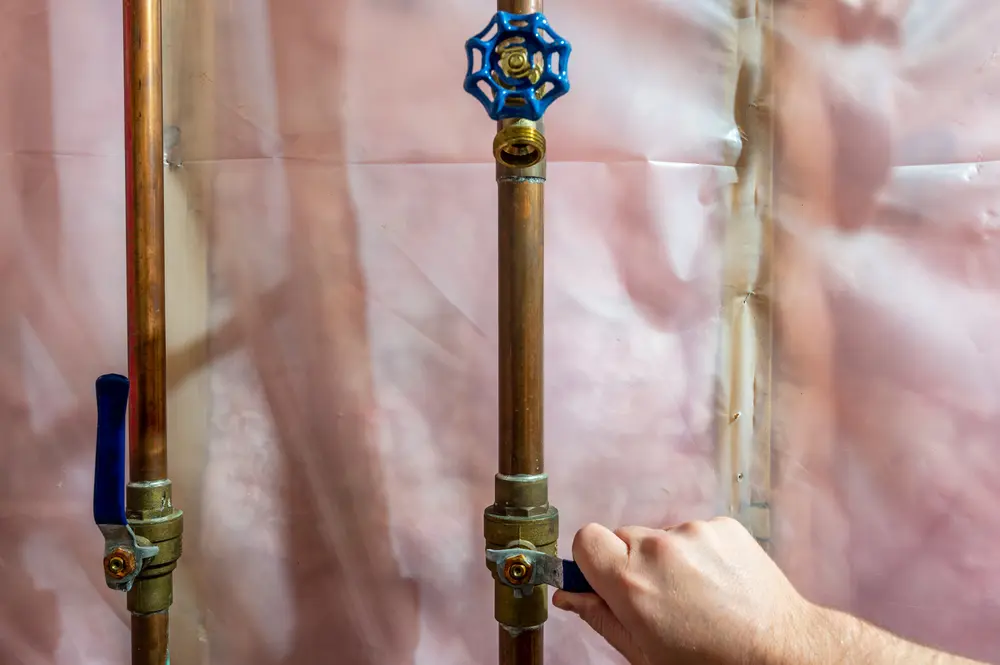
The main water shutoff valve regulates the flow of water in a home. If your water pressure is low, it may be because this valve is partially closed. For your home to receive proper water pressure, it’s essential that these valves are open.
The main shutoff valve can be located near the outside hose spigot or inside the home in the utility room. Make sure the valve is turned all the way to the opened position. Harsh winters in Indiana can lead to issues for not only your shutoff valve but also other plumbing fixtures in a home. Chapman Heating, Air Conditioning, Plumbing & Electrical can assess the situation, determine the issue, and offer a long-lasting solution.
3. Plumbing Fixture Issues
Another issue that may cause low water pressure is fixture issues. One thing to keep in mind is the aerator on a faucet fixture. The aerator is designed to reduce an influx of water flow from the faucet without compromising water pressure. Aerators can be prone to buildup by limestone, rust, or dirt. This can be fixed by removing the aerators on your faucets and inspecting them for these issues. Reinstall the aerators once they have been cleaned to determine if the water pressure is now at a good level.
Fixtures themselves can also get clogged, and given that they are relatively inexpensive, replacing them is a viable option.
4. Broken Pressure Regulator
The plumbing system within your home contains a component known as the pressure regulator. This regulator keeps water pressure at a comfortable level in your home. Your water pressure may become low or high depending on if this component is broken.
The pressure regulator is a bell-shaped component near your home’s hose connection. You can adjust the pressure regulator accordingly depending on your home’s water pressure issues, whether high or low. High water pressure in particular can cause other problems like damaged faucets, showerheads, appliances, and water lines. Call a plumber if you believe your pressure regulator needs replacing.
5. Sediment Buildup
Sediment buildup within a pipe’s walls can lead to clogged pipes over time. Minerals flowing through running water can create buildup that will ultimately induce low water pressure. A common sign of this issue is initially observing good water flow that dwindles to mere drops.
Routine checkups by your plumber will help determine the current health of your pipes to curve the chance of sediment buildup being the root cause of your water pressure problems.
6. Corrosion
Corrosion issues pertain to homeowners with metal pipes. Corrosion develops over time within metal pipes and will restrict water flow. Corroded pipes may affect a small section of pipes within a home or the whole plumbing system.
Calling a plumber will help determine whether your pipes need cleaning or if they need to be replaced. Chapman Heating, Air Conditioning, Plumbing & Electrical can offer full pipe repair or replacement in the Indianapolis area.
7. Small Branch Lines
The vertical supply stack lines that come off the plumbing system are known as branch lines. These branch lines lead to different plumbing fixtures. Low water pressure can also mean that your branch lines are too small to satisfy your home’s water demand. The fix to this issue would be best suited for your plumber to gauge if your home needs bigger branches.
Quick DIY Fixes
If low water pressure strikes your home, it can be a daunting task of what to do. Thankfully, there is a list of quick do-it-yourself fixes anyone can do before restoring to a local plumber.
Check Your Shower Heads
A simple solution to low water pressure issues can be checking your shower heads. Your shower head may have developed too much buildup. If different faucets and taps throughout your home have different water pressure levels, this is the best place to start.
Soaking your shower heads with vinegar and then cleaning them regularly afterward can help clear up depository buildup.
Drain Your Water Heater
Water heaters can also develop sediment buildup. Homeowners should regularly practice draining their water heater once a year. If this isn’t practiced, this can take years off of your water heater’s lifespan. Turn off the water heater first, then drain the tank.
Clear Debris From Pipes
Miscellaneous debris can cause your pipes to get clogged. As mentioned above, clogged pipes can cause low water pressure. A cable or snake drain that’s fed down your pipes can do a great job of unclogging your pipes. Doing this task regularly is a healthy way to help the timespan and efficiency of your home’s pipes.
Fix Low Water Pressure with the Expert Plumbers at Chapman
If these DIY tasks haven’t fixed your water pressure issues, it’s probably time to contact a local professional. Low water pressure can be caused by a degree of issues. Indianapolis area residents can have faith in the certified professionals at Chapman Heating, Air Conditioning, Plumbing & Electrical for their plumbing needs that range from routine inspections, pipe replacements, cleaning, repair, and more to fix low water pressure in your home. Schedule an appointment with Chapman Heating, Air Conditioning, Plumbing & Electrical today.
If you've ever experienced your dishwasher backing up into your sink, you know how frustrating and messy it is. This common household issue can stem from something as simple as a clog to more serious plumbing issues.
Let’s take a look at common reasons why your dishwasher might be backing up into your sink along with practical steps to address the problem. Whether it's a minor blockage or a more complex plumbing issue, understanding the causes and knowing what to do next can help you resolve the issue swiftly.
Why Your Dishwasher Might Be Backing up Into Your Sink
Several factors may contribute to this problem, ranging from minor clogs to more serious plumbing issues. Understanding the underlying causes of this issue can help you tackle the issue effectively. Here's a brief overview of possible reasons why your dishwasher is backing up into your sink.
Clogged Sink
Experiencing a clogged sink is not only an inconvenience but can also lead to your dishwasher backing up into the sink. Several factors contribute to sink blockages, ranging from food debris and grease buildup to plumbing issues.
A clogged sink impedes proper drainage, causing water from the dishwasher to back up into the sink.
Obstructed Dishwasher Drain
Is your dishwasher overflowing with water and causing a leak? It could be due to an obstructed drain that causes water to back up into your sink. Culprits like food scraps, grease, or even forgotten utensils can form a blockage in your dishwasher drain.
When the dishwasher drain gets clogged, water backs up into the sink, turning your kitchen into a wet mess.
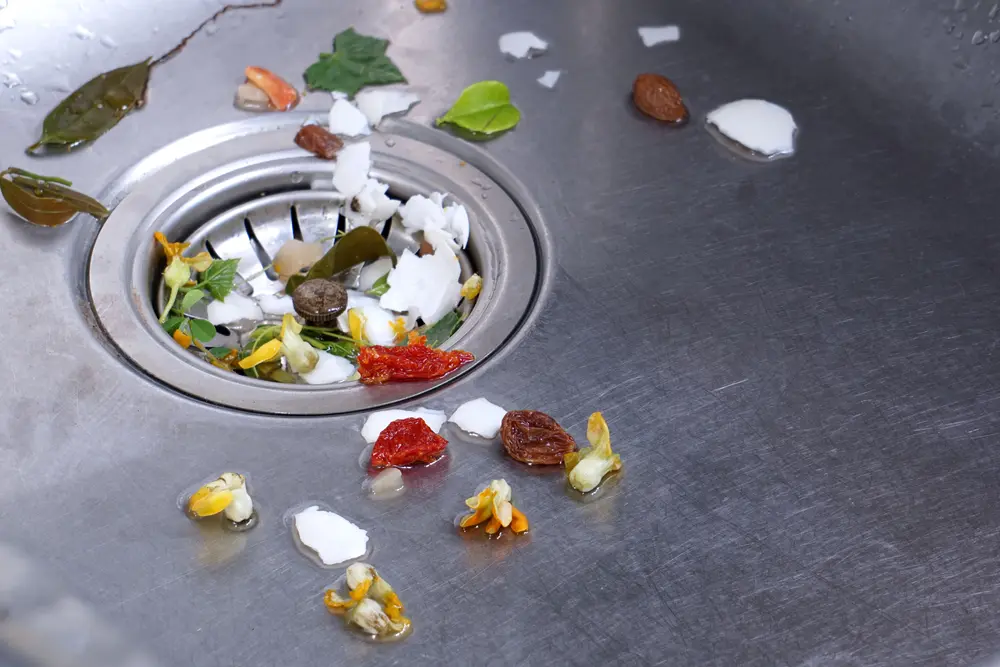
Jammed Garbage Disposal
If your garbage disposal is jammed or malfunctioning, it can disrupt the drainage flow, leading to water backing up into the sink. Dishwashers often share drainage connections with garbage disposals, making them more susceptible to the consequences of disposal issues.
A backed-up sink is just the tip of the iceberg; a jammed disposal can exacerbate the situation, causing water to overflow into the sink and beyond.
Blocked Air Gap
The issue might be a blocked air gap. A blocked or improperly installed air gap can disrupt drainage flow, leading to water backing up into the sink. Dishwashers rely on air gaps to prevent backflow, making them vulnerable to issues when the air gap is blocked.
When the air gap is blocked, water from the dishwasher seeks refuge in the sink, turning your kitchen into a splash zone.
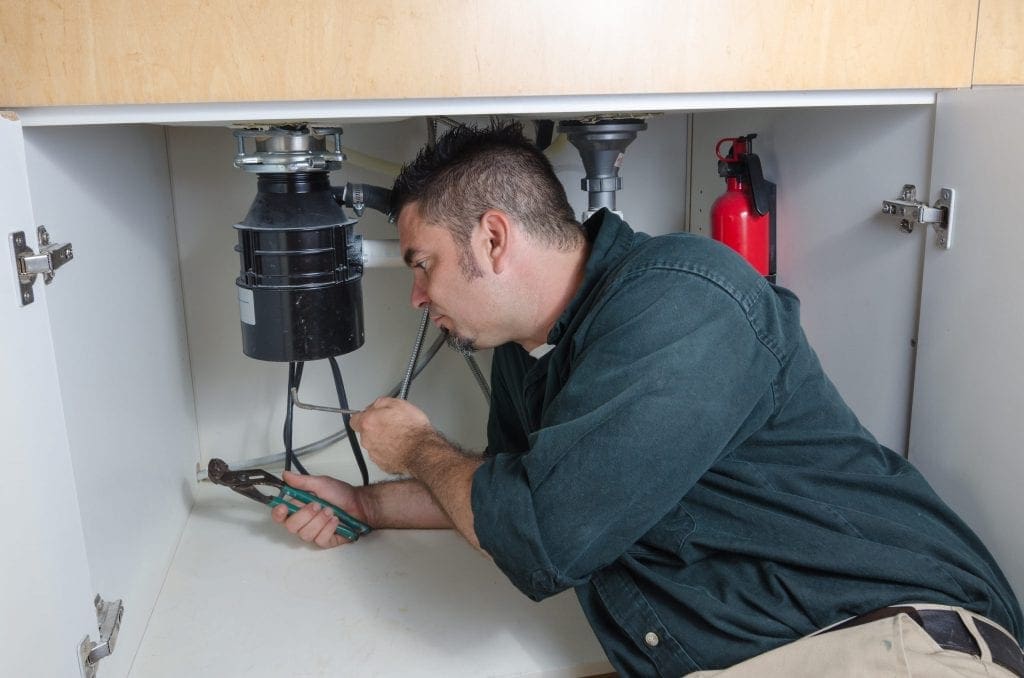
Expert Solutions for Clogged Sinks and Dishwasher Backups with Chapman
Looking for reliable plumbing solutions in Indianapolis or a surrounding area? Look no further than Chapman Plumbing. With a team of experienced professionals, Chapman offers a range of expert plumbing services to address all your needs.
Whether it's fixing a clogged sink, resolving dishwasher backups, or tackling more complex plumbing issues, Chapman has you covered. Our plumbers are dedicated to providing top-notch service and ensuring customer satisfaction every step of the way. Schedule an appointment with Chapman today!
Fix Your Clogged Sink or Dishwasher Backup Today!
If you've lived in Indiana for any length of time, you know the month of April is full of pop-up rain showers and thunderstorms. All of that rain tends to lead to flooding and, if your basement is prone to flooding, you'll want to take precautions in order to keep your home and possessions safe and dry.
Why Does My Basement Flood?
Many families in Indianapolis and beyond find themselves facing the same problem every time it rains , a flooded basement. This can lead to a variety of issues, including mold growth, damage to your belongings, and structural damage to the building. But why is it happening?
If your home has a sump pump, you shouldn't find that your basement is flooding consistently. A sump pump's job is to effectively pump water away from the home's foundation. A failing sump pump, though, won't be able to pump water away from the home, allowing water to pool into your basement.
However, the cause of consistent flooding can go beyond sump pump issues. Water pooling, sewer backup, and water damage to the foundation of the home can all be at fault. To have your basement inspected and to determine what the cause of your spring basement flooding is, get in touch with a professional.
Emergency Power Source
Spring basement flooding will often cause electrical outages. It's important to be prepared by installing an emergency power source. Install a generator to provide emergency electrical service for your furnace, refrigerator, and septic tank pump in case power is lost.
If you do not have a generator installed, you could find yourself running into flooding, frozen pipes, or a flooded septic tank. These issues can cause even bigger and more expensive problems down the road.
Install a Sump Pump
A sump pump is vital to keeping your basement dry and pumping water away from your home. This device pumps groundwater from heavy rain out of the pump pit in your basement. If you don't already have a sump pump, you will need to have one installed.
If you already have a sump pump, but you still find that your basement is flooding, get in contact with a plumbing professional. They can inspect your sump pump to determine if it is still working and, if it's not, they'll be able to replace it.
Install a Backup Sump Pump
Even the most reliable piece of equipment can malfunction and fail. That's why it is important to invest in a backup sump pump system. A backup sump pump, even a battery-operated model, can begin working if the main sump pump is out of commission. This will greatly reduce your chances of basement flooding. Some systems even come with additional security features like an alarm that will alert you if the battery-operated sump pump has started to work.
Preparation is key to protecting your home and everything in it. By properly preparing for heavy rain with the installation of a backup sump pump, you'll ensure that your home stays safe and dry.
Contact Chapman for Sump Pump Installation
Spring storms can really take a toll on your basement. Flooding costs homeowners thousands of dollars on average each year. Get in contact with Chapman today to discuss your options and to determine how you can protect your home from the damage caused by flooding.
If you deal with basement flooding year after year, it's time to do something about it. Call us at (317) 207-9378 for more information about sump pumps, or schedule an appointment with us today.
Garbage disposals are an essential kitchen appliance. They help us clean plates and bakeware without making trips back and forth to the trash can. But like all appliances, garbage disposals can break down or stop working suddenly. When that happens, who do you call to fix your garbage disposal when it’s not working?
These appliances are unique because garbage disposals require a mix of electrical and plumbing knowledge, which might make you question who to call to fix your issue. However, knowing who to call can save you time and money and get your kitchen operating again in no time.
Chapman Heating, Air Conditioning, and Plumbing specializes in plumbing services with a solid background knowledge of electrical systems. Our team of Indianapolis plumbers have the expertise and know-how to install or replace fixtures, conduct routine maintenance, or fix any plumbing problem, including top-notch garbage disposal repair.
Why You Should Call a Plumber for Your Garbage Disposal Problem
Even though garbage disposals are powered by electricity, plumbers will be the most effective when it comes to resolving your garbage disposal issue. Most likely, a plumber installed your garbage disposal, and they have the knowledge to solve the majority of garbage disposal problems, even electrical ones.
In the event that your garbage disposal is clogged or jammed, an electrician might not know the most effective way to clear the clog or locate and eliminate the source of the problem. Even if you’re sure you have an electrical issue with your garbage disposal unit, call a plumber first. They have more experience with garbage disposals and can provide fast, effective solutions.
Signs You Should Call a Plumber About Your Garbage Disposal Problem
The type of garbage disposal issue you’re experiencing may determine if you need to call a plumber at all. Some garbage disposal problems can be fixed by properly resetting the disposal or removing a clog. However, some issues require the knowledge of an experienced professional.
Your garbage disposal is responsible for processing different kinds of food waste, and as a result, it can wear down and break over time. Here are some of the most common warning signs that it’s time to call in a plumber:
- Age: Like all home appliances, garbage disposals have a limited lifespan, but many are unsure when to replace their garbage disposal. They typically need to be replaced every eight to 15 years, depending on the brand and model.
- Ineffective Grinding: If you suspect that there is a garbage disposal issue that needs to be addressed, run the unit and water for approximately 30 seconds. Then, reach into the disposal to check if there are waste items that have not been removed. If so, that might mean your blades have gone dull and need to be replaced.
- Leaking Under the Sink: Especially as your unit ages, you’ll want to routinely check for leaks under your sink, including any active dripping or puddles. Typically, disposals leak only while the water is on or while the unit is running. A leak usually indicates a hose or seal problem, which requires a plumber to remove the unit.
- Persistent Odors: Food waste is primarily what goes down your disposal. If it is not functioning properly, you might notice an unpleasant odor coming from the drain and/or garbage disposal. We recommend cleaning the sink and unit with natural cleaners and odor removers such as baking soda. If the odor persists, have the unit inspected by a professional.
- Unresponsive: If you flip the power switch and nothing happens, that means you may have an electrical issue rather than a plumbing problem. However, it’s still best to have your unit assessed by a plumber who has the knowledge to reconnect the system and restart your unit. Do not attempt to work on an electrical problem in your garbage disposal on your own.
Garbage Disposal DIY Fixes
Here are some common garbage disposal problems and how to troubleshoot them yourself:
- Garbage Disposal Won’t Turn On: First, make sure your garbage disposal is plugged in. Next, try hitting the reset button on the bottom of the disposal. If the disposal has been tripped, this button will pop out. Popping it back in should help. If neither is the case, check your circuit breaker to see if that has been tripped, or try resetting the circuit.
- Disposal Is Humming But Does Not Grind: This most likely means your disposal is jammed. Make sure the garbage disposal is off, and then get a flashlight to see if there is something blocking the blades of the disposal. Use a spoon or a long instrument to see if you can clear the blockage. Never stick your fingers down a garbage disposal.
- Garbage Disposal Drains Slowly: If water is backing up or draining too slowly, this most likely means that your garbage disposal is clogged. Try to remove what waste you can from the disposal. You can also disconnect the drain trap to better remove the clogged items.
- Garbage Disposal Is Leaking: There are several connections to your garbage disposal that can leak. Find the source of the leak, and get a wrench to tighten bolts.
If you’ve tried to fix it yourself and are still having issues, it’s time to give a professional Indianapolis plumber a call.
How to Avoid Garbage Disposal Issues
In order to keep your garbage disposal in working order, there are a few rules you should live by when operating your garbage disposal:
- Always run cold water when operating your garbage disposal.
- Never use chemical drain cleaners to unclog your garbage disposal. Not only are they not effective, but they also add toxic liquids to your kitchen sink and pipes.
- Grind up lemon peels and ice cubes to keep your garbage disposal from developing odors.
- Do not grind fibrous foods like coffee grounds, eggshells, potato peels, bones, or onion skins.
Whether it’s repairing your garbage disposal or having a new one installed, Chapman can help. Schedule your garbage disposal service in Indianapolis and the surrounding area with the experts at Chapman today.
Did you know that heating water accounts for about 30% of the average home's energy budget? Many homeowners who are looking to save money by lowering their energy bills are turning to tankless water heaters, which are 20% more efficient than traditional tank heaters. A tankless water heater will heat water right when you need it, saving you more water as you don't have to keep the water flowing while you wait for it to get hot.
Table of Contents
So, what's the big difference between the two, and why does it matter? Tank water heaters are a fine option for most homes, although they are not as efficient as their tankless water heater counterparts. Tankless water heaters work as you need them, not continuously like tank water heaters. This could even save you multiple gallons per minute of water, meaning you'll have more hot water all while paying less in energy bills per month.
Are you interested in learning more about tankless water heaters (also referred to as on-demand water heaters)? Contact Chapman Heating, Air Conditioning, Plumbing & Electrical to speak with one of our licensed plumbers about having a tankless water heater installed in your home. We'll let you know if we think a tankless water heater is the best option for your home, and then walk you through the entire process. Chapman offers water heater repair, maintenance and installation for both tank and tankless water heaters.
Tank Heaters
Tank water heaters work by heating a tank of water at a consistent temperature, even when you aren't using it. This constant heating process does some damage on your energy bill, which is why the tankless water heater option is more efficient.
Do you ever have one of those days where you want to take a nice, long, hot shower after a cold day? Well, a tank water heater might have different plans. As soon as the water in the tank is used, you're out of hot water until the tank fills back up and heats the water again. When that happens, you'll only find cold water flow from your shower head. Tankless water heaters, on the other hand, have a flow rate from two to five gallons per minute, giving longer access to hot water than that of a tank water heater.
That said, tank units typically have a lower cost up front, and they are cheaper to maintain. Tank systems can be repaired easily because they have just a few basic components compared to tankless heaters.
Tankless Water Heaters
Tankless heaters heat only as you need it. There is no water being heated over and over again waiting to be used. Without getting too technical, when you turn on the hot water, a heat exchanger is used to heat water. You'll improve your water usage and save water as it's heated immediately and ready to use right when you need it.
The heat exchanger transfers heat from an electric coil or gas-fired burner only when you need on-demand hot water. With the electric coil or gas-fired burner only heating water when you need it, you'll find yourself saving water and energy by not having to wait for the cold water to get hot. You can learn more about the process here, and see the most efficient tankless heater and why our professionals recommend them.
Benefits of a Tankless Water Heater
Some of the key benefits of having a tankless water heater installed include:
- Tankless water heaters eliminate standby water loss, which occurs when the hot water in the tank cools back down or when the water cools in the plumbing system before it's used.
- They provide unlimited hot water.
- Tankless heaters also provide immediate hot water. You don't have to wait a minute or two for the hot water to arrive. With a tankless water heater, hot water is available almost immediately. You'll never have to take a shower with cold water again.
- These units have an extremely long lifespan. Tankless water heaters can last 20 to 30 years, much longer than a tank unit.
- They have a higher upfront cost but will save you money over time.
- Tankless water heaters use an average of 41 less gallons of water per day.
- On-demand units are installed on the wall and take up less space.
That's quite a few advantages! But to be fair to traditional tank systems, we should point out that the cost of having a tankless water heater installed takes longer and is more expensive because plumbers typically need to relocate existing piping.
Taking multiple showers at the same time can also cause tankless water heaters to fail to keep up with the demand, as these water heater units have a water flow rate of about two or five gallons of water per minute. If the tankless water heater can't keep up with the demand, it will only produce cold water.
Contact Chapman for Water Heater Repair, Maintenance or Installation
When you're ready to make the switch to the more efficient and better-working water heating option, give Matt Harold, our plumbing field specialist, a call. From choosing a tankless water heater to the installation itself, he will help you with all aspects of tankless water heater installation.
I would definitely recommend a tankless water heater, Matt says. It's an endless supply of hot water and much more efficient than people realize. They take up less room, save energy and have a much longer life span.
Give Chapman, Heating, Air Conditioning & Plumbing a call to have a tankless water heater installed in your home today. Our team of professional and experienced technicians can install your new tankless water heater as soon as possible. Contact us online to schedule an appointment, or call us at 317-943-8674.
During the rainy Indiana spring, summer and fall, one of the most important pieces of equipment you can have in your home is a sump pump.
Although important, sump pumps are an underappreciated part of essential home plumbing. We get a lot of common questions about sump pumps regularly, so we wanted to share with you Chapman Heating | Air Conditioning | Plumbing's answers to the frequently asked plumbing and sump pump questions.
What does a sump pump do?
A sump pump's purpose is pretty straight forward: it keeps water out of your basement and home and prevents flooding. Water that builds up around the base of your home because of sloping driveways, sidewalks or patios or full gutters.
Since water flows downhill, a sump pump is installed at the lowest point in your basement or crawl space. This ensures the collection of as much water as possible. Rain water is built up in the sump pit and then pushed to the nearest retention pond or storm drain , away from the house.
How can I tell if my sump pump is working?
The best way to test if your sump pump is working (before it's too late) is to test it yourself. Fill a 5-gallon bucket of water pour it into the sump pit.
As it fills, it should active the float trigger. After a few minutes, the water should drain and the pump should shut itself off.
If you've surely activated the float trigger and no water runs, the pump continues to run well after the water has been drained or you hear any strange noises coming from the sump pump, it may be a good idea to have it looked at. Try testing it every couple months, especially if it's an older unit.
How long will a sump pump last?
The average lifespan of a sump pump is around 10 years. However, depending on how frequently it is used, checked and maintained, it can be longer or shorter than that.
If you begin to notice persisting issues such as your unit not kicking on during heavy rain or a professional diagnosis a serious issue upon inspection, this is one piece of equipment you can't afford to wait to have repaired or replaced.
The cost of a new sump pump nowhere nears comparison to the amount of money it can cost a homeowner to deal with flood damage and repair in the basement of their home.
Can I install a sump pump myself?
Even for the most experienced DIYer, the proper installation of a sump pump is a tall order.
Proper installation not only requires a good knowledge of plumbing but the right tools and knowledge to safely break through foundation and earth and then the actual installation of the plumbing.
Much like HVAC care and installation, it is highly recommended that you leave the installation of your sump pump and other plumbing equipment to the professionals like Chapman Heating | Air Conditioning | Plumbing.
Our service technicians aren't only properly equipped, they have expert knowledge on how to quickly, efficiently and best install your equipment to ensure it is ready to work when you need it most.
When pipes leak, bad things happen.
Water leaks can cause an unnecessary and drastic spike in your monthly water bill, forcing you to pay much, much more than you need to. Obviously, water leaking from pipes can also cause water damage and flooding if left unaddressed and unattended, costing you hundreds, possibly thousands, in repairs to your home.
For these reasons, it is imperative that every home owner understands how serious leaks can be and how to spot them. Unfortunately, finding the cause of a leak may be difficult to determine and fixing the issue may not be as simple as a patch job.
Here are a couple easy ways to spot a water leak. If you notice any of these issues accompanied by a mysteriously rising water bill , it's time to call a plumber.
Showerhead and Faucet
Keeping an eye on your showerhead and faucets is perhaps the simplest way to identify a water leak.
When you turn off your faucet, water should stop flowing, right? Well, some drops for a moment or two isn't necessarily an issue, but if long after you've turned it off there is still a constant stream or drops, it's a good bet there's a leak that needs fixing.
It may not seem like a lot of leaking water, but over time this can add up to gallons upon gallons of wasted water and will hike up you water bill sky-high.
Toilet
Toilets are maybe the hardest working and most active piece of plumbing in the average household. For that reason, toilets are another common place you will find leaks.
Even something as simple as a toilet tank with a flapper that doesn't close can waste thousands of gallons of water in just a month. If you live in a home that uses a well, that leaky, wasteful toilet can cost you a boatload.
Fortunately, like faucets, toilet leaks can be fairly easily identified by the noise of running water. If you noticed having to jiggle the handle to stop the tank from filling or having to flush multiple times, it's a good bet a visit from your plumber is in order.
Waterline
A leak in your main waterline , pipes behind walls, under floorboards and underground , can be the most difficult to identify, but the most dangerous to overlook. These kinds of leaks won't just hike up your bill but have a greater chance of costing you even more in water damage repairs.
Early signs of water damage, water leaking from your walls, floorboards and even flooding or pooling in your yard are indicators, but unfortunately, it is usually harder to tell than that. The only way to know for sure is to call in a professional plumber to diagnose and fix the issue. Do-it-yourself pipe repair or replacement inside your walls or behind surfaces is strongly discouraged. You could end up doing more harm than good.
Pay attention to what your home is telling you. Keep a careful eye on your utility bills and water pressure each month and keep an ear open for any strange or out of place noises and you have a great chance at catching these kinds of leaks early.
Whether it's your faucet, showerhead, toilet or something more major, your best, and first, course of action should be to call a plumber you trust, like Chapman Heating | Air Conditioning | Plumbing. We proudly serve all of Indianapolis and central Indiana and our experienced team of service technicians can help resolve any of your plumbing-related needs or issues.
It is hard to believe we use products in our homes today that have their roots in designs which are more than 130 years old. When it comes to sump pump products, however, that is absolutely true.
At Chapman we are proud to install sump pumps manufactured by Myers. In business since the 1870's when they first introduced a dependable double-acting hand pump, today they offer a full line of sump pumps, sewage pumps and effluent pumps. Even after all these years they continue to set the standard for quality, value and reliability.
Their product line includes:
Submersible Cast Iron Sump Pumps
These products are installed in the lowest portion of your basement or crawl space. Since water will naturally flow downhill this is where water typically collects. A hole is dug for the sump and the submersible pump is installed under the floor. This is the most common and simplest operating sump pump available. As the sump well fills with water, a float switch is triggered. The water is then pumped out of the area into a storm drain, dry well or retention pond.
The key features of the Myers Model MC1033 Series
- Performance where it counts with 40 GPM at 10'
- Heavy-duty cast iron construction
- Upper and lower double lip seals deliver smoother operation
- Dual ball bearings
- Permanent split capacitor (PSC) motor promotes less energy consumption and longer life
- Multiple automatic switch options
- Raised inlet to reduce the maintenance time
- This product comes with a 3-year manufacturer's warranty.
Battery and Water-Powered Backup for your Sump Pump System
Homeowners in central Indiana rely on their sump pumps most during extreme weather. Unfortunately the high wind and lightening, which often accompany heavy rains that flood basements, may cause short term power outages.
Battery and Water-Powered backup pumps help protect the basement from water damage by kicking into action during power outages or primary sump pump failures.
We typically recommend one of the Glentronics, Inc. Pro series battery backup systems or the Water Commander water powered backup pump.
Talk to a professional
Remember your sump pump is a piece of equipment with moving parts that may wear out over time or need to be replaced. It is important to periodically test the unit to be sure it is working correctly.
If you are have questions about how well your sump pump is working, if you need a new one or if you should add a battery backup, the qualified technicians of Chapman Heating, Air Conditioning and Plumbing can answer all your questions.
Give Chapman Heating, Air Conditioning, and Plumbing, to provide sump pump services for your home today
Here in Indiana, we're known for things like basketball and Indy Car racing. Ask a plumbing professional and they will tell you Indiana is also known for having very hard water. So, what is hard water and why is Indiana so prone to it?
Hard Water
According to the Indiana Department of Water, hard water is formed when water percolates through deposits of limestone, which is largely made up of calcium and magnesium carbonates. These carbonates are measured by grains per gallon, and with a rate of 14, Indiana water ranks 'very hard'.
We called in one of our professionals, Chuck Colbert, to answer a few questions about water quality in the home and what you should be doing to keep your pipes working and your dishes calcium spot-free.
Hard water is water that has calcium, lime or other minerals in it. We see a lot of lime here because Indiana sits on a limestone bed. These microscopic elements slowly build up in pipes and can do permanent damage.
Indianapolis water hardness does more than leaves spots on your dishes. You'll also notice:
- Corroded pipes
- Unsightly and uncomfortable scum after bathing or cleaning
- Murky or cloudy water in your pool
- Rough feeling clothes and linens
- Scale buildup on faucets
If you notice these signs and symptoms, it's time to call in a professional to diagnose the water in your home. Indiana hard water isn't something you have to live with, you have options when it comes to improving and softening the water in your home.
Water softener
A water softener is a specific type of water conditioner that uses salt to reduce water hardness by grains per gallon. When the quality of your water is improved, the life of your plumbing is increased. Without hard minerals running through your pipes, they are less likely to erode.
With the help of a water softener and regular maintenance, the water quality in your home will noticeably improve. Soft water leads to less pipe erosion, cleaner clothes, and a lower monthly water bill. Water softener systems are a good investment for the long-term health of your home and family. Regular maintenance will keep your system running efficiently and the soap scum out of your bathtub. When you're ready to remedy your hard water headaches, call in a technician to have a look.

